2026 Top Pipe Fittings Trends What Buyers Need to Know?
As industries evolve, the demand for high-quality pipe fittings continues to grow. Market research indicates that the global pipe fittings market is expected to reach $90 billion by 2026, driven by increasing construction activities and infrastructure development. Pipe fittings are essential components in a variety of sectors, including oil and gas, water supply, and wastewater management.
Recent studies highlight the importance of selecting the right fittings to ensure durability and performance. The materials used in pipe fittings, such as PVC, copper, and stainless steel, significantly impact their effectiveness. Companies must stay updated on the latest trends to make informed purchasing decisions. Buyer awareness is crucial, as innovative designs can improve system efficiency and reduce long-term costs.
However, an overwhelming array of options can lead to confusion. It’s crucial for buyers to consider key factors, such as compatibility and installation ease. Many are still exploring new materials and technologies that promise better sustainability. Reflecting on the evolving landscape can boost competitive advantage, ensuring that organizations invest in reliable pipe fittings for future projects.
Emerging Materials in Pipe Fittings for 2026: An Overview
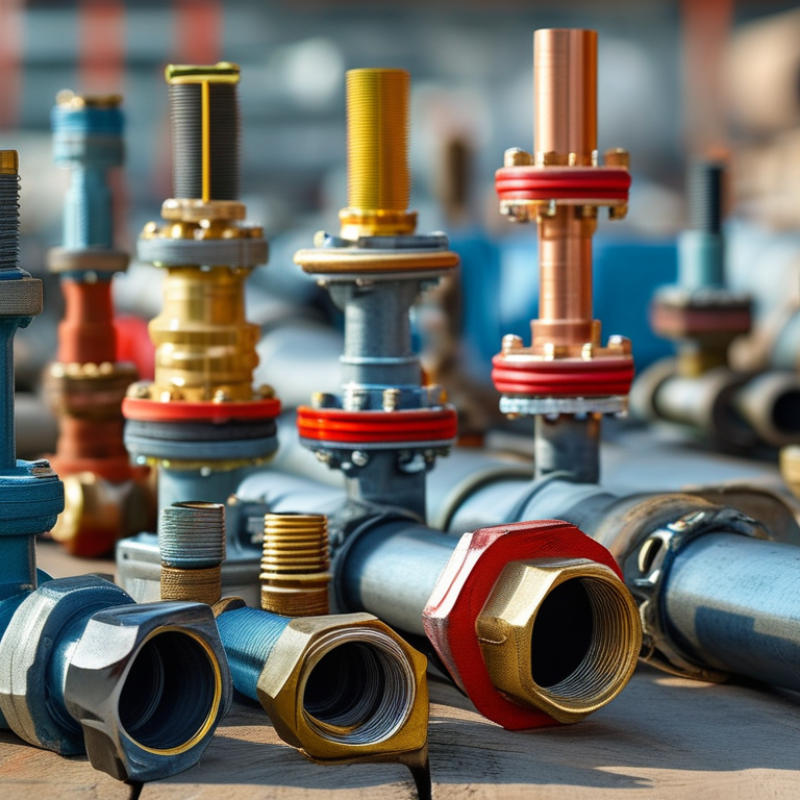
Emerging materials are shaping the pipe fittings industry as we approach 2026. In recent years, innovative materials have gained traction, driven by the demand for durability and sustainability. According to a recent report, composite materials are expected to capture significant market share, projected to reach around 25% by 2026. These composites offer lightweight properties and resistance to corrosion, making them ideal for various applications.
Metal alternatives are also noteworthy. Plastic fittings, particularly those made from polyvinyl chloride (PVC) and high-density polyethylene (HDPE), are preferred in many sectors. These materials are not only cost-effective but also provide flexibility and ease of installation. A study found that plastic fittings can reduce installation times by 30% when compared to traditional metal options. However, concerns surrounding the long-term environmental impact of plastic remain relevant.
The industry is evolving, yet challenges persist. Manufacturers must balance performance, cost, and sustainability. The advent of bio-based plastics offers a promising alternative, yet their widespread adoption faces hurdles, including production scalability and price competitiveness. Insight into these emerging materials helps buyers make informed decisions and adapt to the changing landscape of pipe fittings.
2026 Top Pipe Fittings Trends What Buyers Need to Know?
| Material Type |
Durability Rating |
Temperature Range (°C) |
Corrosion Resistance |
Market Growth (% CAGR) |
| Stainless Steel |
High |
-200 to 800 |
Excellent |
5.2% |
| PVC |
Medium |
-15 to 60 |
Good |
4.0% |
| Copper |
High |
-200 to 250 |
Moderate |
3.5% |
| HDPE |
High |
-40 to 60 |
Excellent |
6.1% |
| Brass |
Medium |
-50 to 200 |
Good |
3.0% |
Sustainability Trends Driving the Pipe Fittings Market
Sustainability is reshaping the pipe fittings market significantly. According to a recent industry report, the global green pipe fittings market is expected to grow by over 15% annually through 2026. This demand reflects a broader movement towards environmentally friendly materials and manufacturing practices. As regulations tighten, buyers are increasingly prioritizing sustainability in their procurement strategies.
Manufacturers are adopting eco-friendly materials, such as recycled metals and plastics. For instance, reports indicate that around 30% of buyers now seek products made from at least 50% recycled content. However, challenges remain. The cost of sustainable materials can be higher, and not all suppliers meet eco-certification standards. Ensuring a reliable supply chain can be complex.
Market players must focus on innovation to stay competitive. The integration of new technologies in production processes has proven beneficial. However, the transition to sustainability isn’t seamless. Some companies face difficulties in sourcing sustainable raw materials while maintaining product quality. More transparency in sourcing and manufacturing can build trust among buyers looking for sustainable options.
Smart Technology Integration in Pipe Fitting Designs
Smart technology is reshaping the landscape of pipe fitting designs. Advanced sensors and IoT integration enable real-time monitoring of systems. Buyers can now invest in smarter solutions that enhance efficiency. These innovations lead to predictive maintenance, reducing unexpected breakdowns. Imagine a system that alerts you before a leak occurs. This proactive approach saves time and money.
However, not all technologies are foolproof. Some systems may become incompatible with older infrastructure. This could lead to increased costs for upgrades or adjustments. Buyers should evaluate the compatibility of smart fittings with existing systems. They must also consider the learning curve for staff to adapt to new technologies.
Moreover, the shift to smart technology brings a steep learning curve. Users must be trained to navigate sophisticated interfaces. This is an investment of time and resources that some may overlook. Understandably, not every organization is equipped for this transformation. Awareness of these challenges is essential for making informed decisions in the evolving market.
Global Market Insights: Demand and Supply Dynamics in 2026
As the pipe fittings market evolves, understanding demand and supply dynamics in 2026 is crucial. The global market is influenced by various factors, including construction trends and industrial growth. Recent data shows that infrastructure projects are increasing the need for durable pipe fittings.
However, supply chain disruptions can hinder delivery, impacting pricing and availability.
Buyers must recognize the importance of quality over cost. Subpar fittings can lead to leaks and failures, resulting in costly repairs. Some manufacturers prioritize profit over quality, raising concerns about reliability. That's why vetting suppliers is essential. Engaging with reputable manufacturers ensures better standards and longer-lasting products.
Sustainability also plays a key role in purchasing decisions. Buyers are now more aware of environmental impacts. Eco-friendly materials and manufacturing processes are gaining traction. However, not all suppliers meet these standards.
Buyers need to demand transparency in sourcing materials to make informed choices. The landscape is shifting, but vigilance in the supply chain can lead to better outcomes.
Key Factors Influencing Buyer Decisions in Pipe Fittings Purchasing
When purchasing pipe fittings, buyers face many decisions influenced by a variety of factors. One crucial aspect is the material of the fittings. Options like PVC, metal, and brass each have unique properties. Buyers should consider the specific application and environment. For instance, metal fittings offer durability in high-pressure situations, while plastic alternatives may be lighter and resistant to corrosion.
Another significant factor is the cost versus value equation. Some buyers lean towards the cheapest option, but this may lead to long-term issues. Investing in higher-quality fittings can result in fewer replacements and repairs over time. Moreover, understanding the specifications, such as pressure ratings and compatibility with existing systems, plays a vital role in decision-making.
Lastly, the supplier’s reputation can deeply impact buyer confidence. Research into supplier history and reviews helps ensure reliability. A well-established supplier often provides better warranties and support. Buyers should also reflect on their past experiences to improve future procurement processes. Balancing these concerns can lead to smarter purchasing decisions in the ever-evolving market of pipe fittings.
2026 Top Pipe Fittings Trends - Key Factors Influencing Buyer Decisions