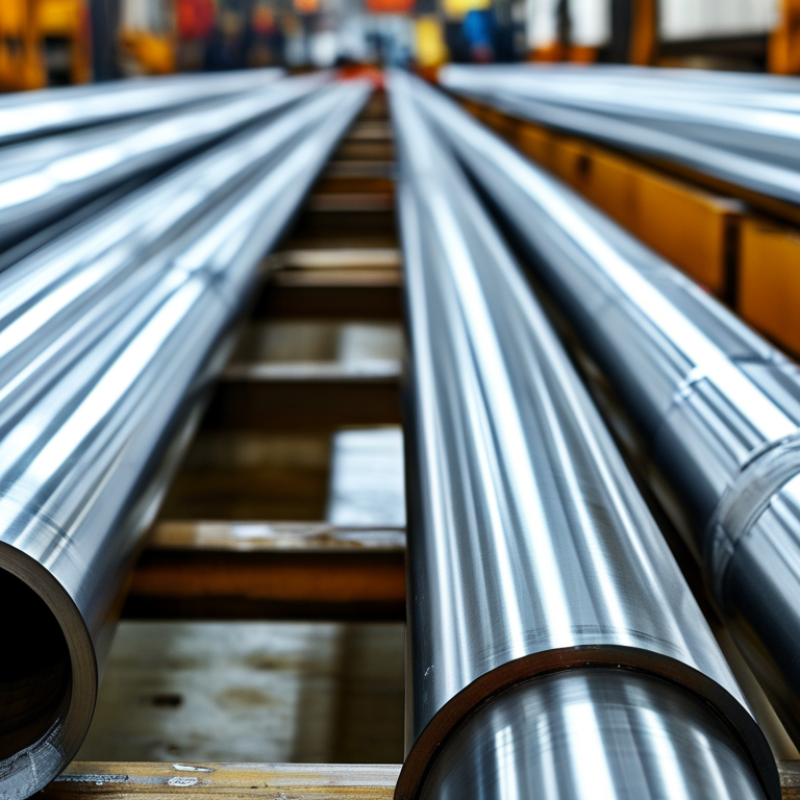
Top 10 Benefits of Stainless Steel Precision Pipes for Buyers?
In today's industrial landscape, the choice of materials is crucial. Stainless steel Precision pipes stand out as a premier option for various applications. They provide unmatched durability and strength, making them ideal for demanding environments.
These pipes resist corrosion effectively, ensuring longevity in usage. Their precise dimensions allow for seamless integration into complex systems, reducing the need for extensive modifications. Buyers appreciate the ease of maintenance and reliability that stainless steel precision pipes offer.
However, not all manufacturers meet the same standards. Buyers must research and consider quality over cost. It is not just about choosing a pipe; it's about investing in reliability and safety. Understanding the benefits can guide buyers in making informed decisions.
Benefits of Corrosion Resistance in Stainless Steel Precision Pipes
Stainless steel precision pipes are celebrated for their exceptional corrosion resistance. This property significantly extends their lifespan and lowers maintenance costs. According to a 2021 study by the International Stainless Steel Forum, stainless steel can last over 50 years in corrosive environments. This durability is crucial for sectors such as construction and automotive. The pipes can withstand harsh chemicals without degrading.
Corrosion resistance is essential in industries like food processing and pharmaceuticals, where hygiene is paramount. Studies indicate that stainless steel surfaces can reduce bacterial growth by up to 99%. This is a vital factor for buyers looking for safe materials in sensitive applications. Stainless steel pipes also retain their structural integrity under extreme temperatures, further enhancing their appeal.
However, the initial costs may be higher compared to other materials. Buyers must weigh these upfront expenses against long-term savings. While stainless steel pipes require less frequent replacement, proper handling during installation is crucial. Minor scratches and dents can compromise their corrosion resistance. Understanding these factors can guide informed decisions in purchasing, balancing upfront investments with future benefits.
Superior Strength-to-Weight Ratio of Stainless Steel Precision Pipes
Stainless steel precision pipes offer a superior strength-to-weight ratio. This property makes them ideal for various applications, including construction and automotive industries. Their lightweight nature reduces transportation costs. At the same time, their strength ensures they can withstand high pressures and extreme conditions.
When considering stainless steel precision pipes, remember to evaluate thickness. Choosing the right wall thickness can impact strength significantly. A thicker wall offers more durability. However, it may also add weight. Finding the balance between strength and weight is vital.
Another tip is to check the manufacturing process. Different methods can affect the quality and precision of the pipes. Opt for pipes produced through high-quality techniques. Ensure they meet industry standards for reliability. Understanding these aspects can lead to better investments in stainless steel precision pipes.
Top 10 Benefits of Stainless Steel Precision Pipes for Buyers
| Benefit | Description |
| Superior Strength | Stainless steel precision pipes offer high strength, making them suitable for high-pressure applications. |
| Lightweight | They provide a great strength-to-weight ratio, reducing overall weight while maintaining integrity. |
| Corrosion Resistance | Resistant to rust and corrosion, ensuring longevity in various environments. |
| Versatility | Can be used in a wide range of industries, including food, chemical, and automotive. |
| Aesthetic Appeal | Their sleek appearance is visually appealing and adds to design value. |
| Hygienic Properties | Non-porous surface that is easy to clean, highly valued in food processing industries. |
| Ease of Maintenance | Require minimal maintenance compared to other materials. |
| Recyclability | 100% recyclable, promoting sustainability and reducing waste. |
| Customizable | Available in various sizes and specifications to meet specific project requirements. |
| Cost-Effectiveness | While initial costs may be higher, long-term durability and lower maintenance costs save money over time. |
Cost-Efficiency Over Time: Maintenance and Longevity Advantages
Stainless steel precision pipes offer remarkable cost-efficiency. Their durability reduces the need for frequent replacements. This longevity manifests in lower long-term costs for buyers. Corrosion resistance significantly lowers maintenance expenses. Unlike other materials, stainless steel withstands harsh environments well. As a result, it requires less attention over time.
Maintenance is essential, yet often overlooked. Regular inspections can ensure optimal performance. Occasional cleaning keeps the pipes in good condition. While this may seem tedious, the benefits outweigh the efforts. Stainless steel’s inherent toughness means minor damage can often be repaired easily. It helps to avoid costly replacements.
Investing in stainless steel precision pipes pays off in the long run. Buyers often realize savings through fewer repairs and replacements. They contribute positively to operational efficiency. However, some may underestimate initial investments. Considering long-term benefits is vital. Making an informed choice leads to better outcomes.
Versatility of Stainless Steel Precision Pipes in Various Industries
Stainless steel precision pipes are increasingly popular across various industries due to their remarkable versatility. These pipes are commonly used in construction, automotive, and medical fields. Their durability and resistance to corrosion make them ideal for environments where safety and longevity are crucial.
In the automotive industry, stainless steel precision pipes are used for exhaust systems and fuel lines. They can withstand high temperatures and harsh conditions. Moreover, precision pipes contribute to
lightweight designs, improving fuel efficiency in vehicles. In medical applications, these pipes are essential in manufacturing equipment such as surgical tools and diagnostic devices, ensuring hygiene and reliability.
Tip: Always consider the specific requirements of your industry when selecting precision pipes. Evaluate factors like pressure ratings and temperature ranges for optimal performance. Regular maintenance is key for longevity; inspect pipes periodically for signs of wear.
Precision pipes also find their place in the food and beverage industry. They ensure that products remain uncontaminated during processing and transportation. Stainless steel's
non-reactive nature is a significant advantage in this sector. However, achieving the proper finish and maintaining hygiene can be a challenge that needs attention.
Tip: When working on food-related projects, ensure the pipes meet industry standards. It’s crucial to choose the appropriate surface finish to avoid unwanted bacteria buildup. Don't overlook the importance of proper certification for food-grade materials.
Environmental Impact: Recyclability and Eco-Friendliness of Stainless Steel
Stainless steel is a prime choice for various industries, largely due to its impressive recyclability. Research indicates that nearly 90% of stainless steel is recycled globally. This high recycling rate reduces the need for raw material extraction and results in significant energy savings. According to a report from the International Stainless Steel Forum, recycling stainless steel can save up to 75% of the energy required to produce new stainless steel.
The eco-friendliness of stainless steel goes beyond recycling. It is durable and resistant to corrosion, which extends its lifespan significantly. This longevity means fewer replacements and waste. Despite its environmental advantages, some critics highlight that the production process can generate greenhouse gases. Balancing production impacts with recycling benefits remains crucial.
The responsible sourcing of materials is also a point of concern. Ensuring that nickel and chromium, essential for stainless steel, are sourced ethically is vital. Sustainable practices must be prioritized in the supply chain. Greater efforts in transparency can improve credibility. Ultimately, while stainless steel offers benefits, continuous improvement in its lifecycle is essential.