What Are the Best Batching Plant Systems for Global Buyers?
In the ever-evolving construction industry, selecting the right Batching Plant Systems is critical for efficiency and productivity. Global buyers face challenges in navigating diverse options. Different regions have unique requirements and regulations. A well-chosen batching plant can enhance workflows and reduce waste.
Batching Plant Systems vary in technology and capacity. Some systems offer advanced automation while others focus on simplicity. Buyers must consider factors like location, project scale, and material types. Each choice comes with pros and cons. Not all systems suit every project. Finding the perfect match requires careful evaluation.
Industry leaders emphasize reliability and support. A reputable manufacturer can provide not just equipment, but also ongoing assistance. This lifelong partnership is vital for optimal operation. Ultimately, understanding the specific needs of a project will lead to better decisions and investment security in the long run.
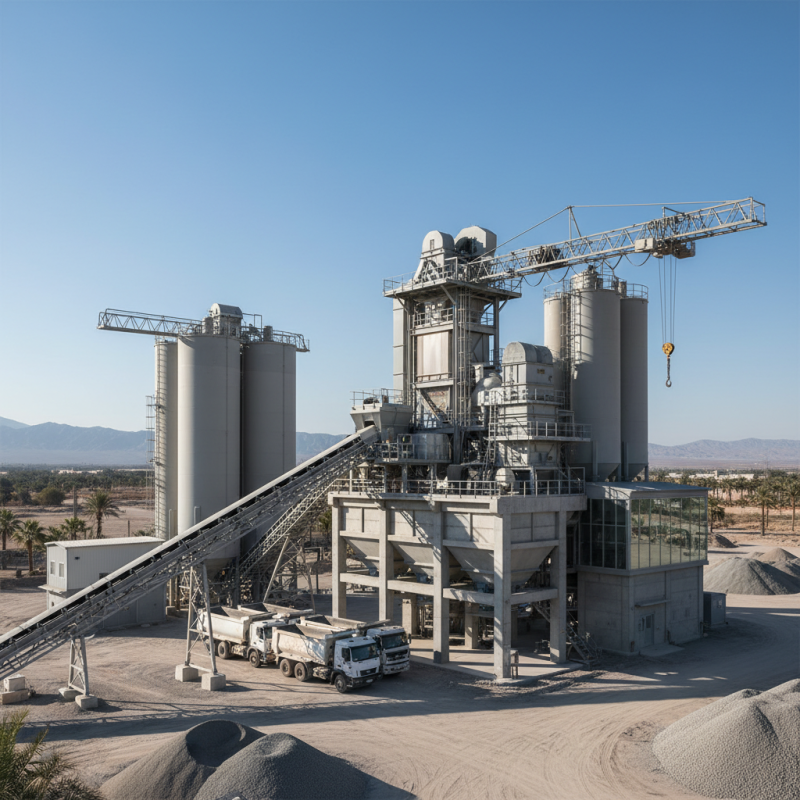
Key Features to Look for in Batching Plant Systems for Global Buyers
When selecting batching plant systems, several key features stand out. Buyers should assess the system’s flexibility. It needs to accommodate various materials and mix types. This adaptability is crucial for meeting changing project demands.
Efficiency is another critical aspect. A reliable batching plant system should optimize the mixing process. Speed and precision in batching lead to quicker project timelines. Look for options that minimize waste and enhance output quality. A user-friendly interface can also improve operational efficiency. Workers should find it easy to adjust settings and monitor processes.
Durability must not be overlooked. Batching plants face harsh operating conditions. Systems should be built with robust materials for longevity. Regular maintenance is important, but a well-constructed plant can reduce downtime. Finally, consider the availability of technical support. Access to knowledgeable assistance can help address issues when they arise.
Market Trends Impacting Batching Plant Technology in 2023
In 2023, batching plant technology is undergoing significant changes due to evolving market trends. According to a recent report by Market Research Future, the global concrete batching plant market is expected to reach approximately $6 billion by 2027. This growth is partly driven by the increasing demand for ready-mix concrete in construction projects worldwide. However, as this market expands, manufacturers must adapt to new consumer preferences.
Sustainability is a crucial factor influencing this shift. A survey by the International Concrete Association found that 75% of buyers prioritize eco-friendly solutions. Batching plants now integrate eco-efficient technologies, such as waste recycling systems and energy management software. Despite these advancements, challenges remain. Many manufacturers struggle to balance cost efficiency with sustainable practices. This conflict often results in mixed public perception.
Moreover, automation continues to reshape the sector. Data from Technavio suggests that automation in batching plants can boost production efficiency by 30%. However, businesses face hurdles when implementing these systems. Training for personnel remains a significant barrier. Overall, while progress in batching plant technology is evident, there is a continuous need for reflection and improvement in operational practices.
Top Manufacturers of Batching Plants and Their Global Market Share
The global market for batching plants is diverse and competitive. Leading manufacturers have established significant market shares through innovation and reliability. They focus on advanced technology to enhance efficiency. These companies prioritize customer feedback, but not all deliveries meet expectations. Quality control varies, impacting project timelines.
In many regions, local manufacturers are emerging as formidable competitors. They understand regional demands better and offer customized solutions. However, some overlook the need for quality assurance. This can lead to a reliance on subpar equipment, affecting overall project performance. Maintaining a balance between cost and quality is crucial in this sector.
As buyers evaluate options, they should consider long-term support and service. Not all manufacturers provide the same level of after-sales care. Reviews and customer testimonials are valuable resources. These insights can influence decisions significantly. Continual research into market trends enhances strategic purchasing. Engaging with stakeholders can also lead to better-informed choices.
Cost Analysis: Budgeting for Batching Plant Systems in Different Regions
Batching plant systems are crucial for various industries, especially in construction and manufacturing. Different regions face unique budgetary constraints and operational costs. A recent industry report highlights that purchasing and operating batch plants in North America can cost up to 20% more than in Asia-Pacific regions. The disparity often stems from labor costs and regulatory compliance.
In Europe, for instance, the initial investment might be lower due to established suppliers. However, maintenance expenses can be considerably higher. Local regulations and environmental standards often require more sophisticated and expensive equipment. Transitioning to greener technologies might also add to costs but can yield long-term savings.
Tips: Research local suppliers and assess their pricing. Understanding regional operational costs can prevent budget overruns. Furthermore, consider the ROI for more advanced systems. Investing upfront can help reduce operational costs later.
Moreover, challenges can arise in scaling up production. As demand increases, batch plants might require expansions. This can lead to unplanned expenses. Therefore, thorough planning and continuous assessments are vital. Make informed decisions to avoid pitfalls in budgeting for batching plant systems.
Cost Analysis of Batching Plant Systems in Different Regions
Sustainability Practices in Batching Plant Operations for International Buyers
Sustainability in batching plant operations is becoming crucial for global buyers. A report from the Global Cement and Concrete Association notes that cement production accounts for 7% of global CO2 emissions. Therefore, adopting sustainable practices is not just an option; it is necessary. Many plants are now implementing technologies to reduce energy consumption and recycling waste materials efficiently.
Waste management is another important aspect. Some studies suggest that reusing materials can cut operational costs by up to 30%. Effective water management also plays a role. Implementing closed-loop systems can reduce water usage by 50%. However, many facilities still struggle with proper implementation.
Transparency in sourcing materials is essential. International buyers are increasingly scrutinizing the supply chain. Many plants fail to provide this information clearly, which can be a barrier to sustainable sourcing. The challenge remains: how to balance between operational efficiency and sustainable practices effectively? Continuous reflection and improvement in these areas are vital.
What Are the Best Batching Plant Systems for Global Buyers? - Sustainability Practices in Batching Plant Operations for International Buyers
| Batching Plant System | Key Features | Sustainability Practices | Energy Efficiency Rating |
| Modular Batching Plant | Flexible design, quick setup, easy transport | Use of renewable materials, waste recycling | A+ |
| Mobile Batching Plant | High mobility, automated controls | Reduced transport emissions, local sourcing | A |
| Concrete Batching Plant with IoT | Smart monitoring, real-time data analysis | Water conservation techniques, resource optimization | A++ |
| Static Batching Plant | Large production capacity, durable design | Energy-efficient machinery, emissions control | B+ |
| High-Performance Batching Plant | Optimized for precision, high throughput | Circular economy approaches, green certifications | A+ |