What is the Best Piston Filler for Your Business Needs?
In the fast-paced world of manufacturing, finding the right equipment is crucial. When it comes to liquids, a Piston Filler can make a significant difference. Many businesses rely on these machines for their efficiency and precision. According to a recent report by Grand View Research, the piston filler market is expected to reach $1.2 billion by 2025, highlighting its growing importance.
Piston Fillers are designed for various liquids, ensuring consistent fill levels. They are suitable for both thin and thick fluids, making them versatile. Industry leaders have noted that using a piston filler can reduce waste and improve production speed by up to 30%. However, challenges remain. The initial investment might be high, and selecting the wrong model can lead to operational issues.
Every business has unique needs. Therefore, choosing the right Piston Filler requires careful consideration. Factors such as production volume, liquid viscosity, and available space play crucial roles. It's essential to reflect on these aspects before making a decision. Understanding your specific requirements can lead to better efficiency and profitability in the long run.
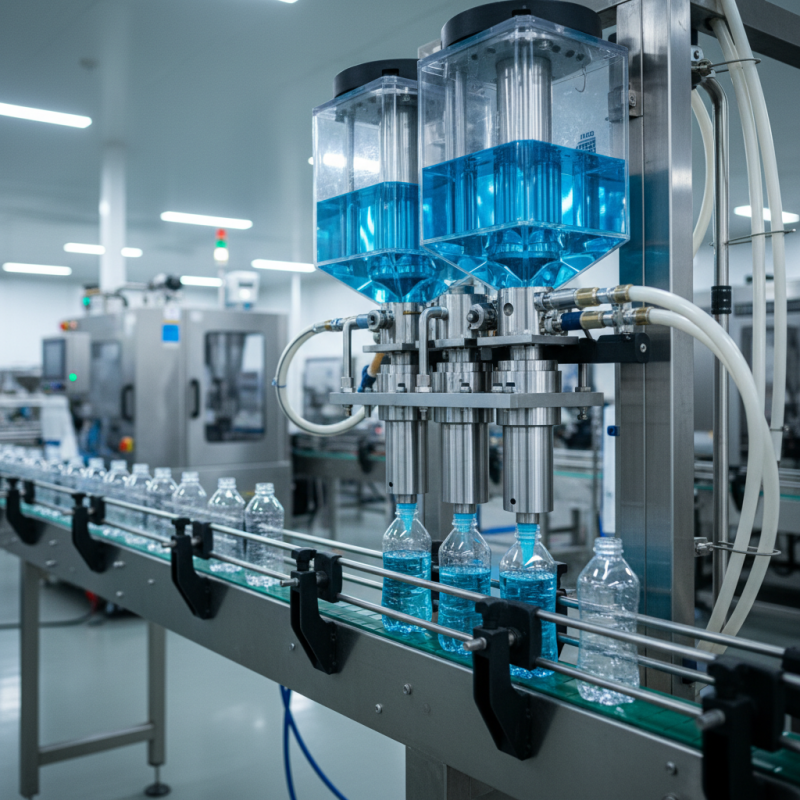
Understanding Piston Fillers: Definition and Functionality
Piston fillers are essential machines for various industries. They are used to dispense a precise amount of liquid into containers. This mechanical device includes a cylinder and piston, which work together to achieve accuracy. When the piston moves, it creates a vacuum that fills the cylinder with liquid. This operation is straightforward but can vary based on design.
Understanding the functionality helps businesses make informed decisions. Piston fillers excel in handling thick and viscous liquids. Many companies struggle with messy bottles or inaccurate fills. Choosing the right model can greatly reduce waste and improve efficiency. However, not all models are suitable for every application. Each business needs to evaluate its unique requirements.
Some users have reported challenges with settings and calibration. Adjusting the fill volume might be tricky initially. This can lead to inconsistencies when filling. It’s crucial to invest time into understanding the machine. Learning the operational aspects ensures you get the best performance from your equipment. Adapting to your specific materials will enhance the overall filling process significantly.
Different Types of Piston Fillers Available in the Market
Piston fillers come in various types, each designed for specific applications. Understanding these options helps you make an informed choice. Some common types include automatic fillers, semi-automatic fillers, and hand-held fillers.
Automatic piston fillers are efficient for high-volume production. They offer fast fill times and require minimal operator intervention. These machines can handle thicker liquids, such as sauces or creams, quite effectively. However, they often come with a higher initial cost. Businesses should weigh the investment against their production needs.
On the other hand, semi-automatic fillers provide a balance between speed and cost. They require some manual assistance, making them suitable for medium-sized operations. Hand-held fillers are ideal for small businesses or startups. They are portable and easy to use but may not provide the accuracy of larger systems. Each type has its pros and cons. Assess your workflow and product specifications to find the best fit for your business.
Key Factors to Consider When Choosing a Piston Filler
Choosing the right piston filler is critical for your business. It can greatly affect efficiency and product quality. One key factor is the type of product you’re filling. Viscosity, particle size, and temperature all play a role. For thick substances, a robust piston filler is necessary. Conversely, lighter liquids may require a different design.
Another essential consideration is the filler’s capacity. Does it align with your production volume? A larger capacity can speed up the filling process. However, it comes with a higher initial investment. It’s important to find a balance that fits your budget and production needs. Ease of maintenance should not be neglected. If upkeep is complicated, downtime increases and efficiency decreases.
Lastly, think about the flexibility of your equipment. Your product lineup may change over time. A filler that can adapt will save costs on future replacements. Reflect on your current and future requirements. Avoid making impulsive decisions. Taking the time to analyze these factors can lead to long-term success.
Assessing the Volume and Consistency of Your Product
When selecting a piston filler for your product, it's essential to evaluate both the volume and consistency of what you're packaging. The type of product determines the necessary specifications for a filler. A thicker substance, like a cream or gel, requires different settings compared to a more fluid product, like a sauce or beverage. Understanding how your product behaves under pressure can influence your choice.
Consider testing various pistons to ensure they accommodate your product's viscosity. The appropriate machine will enhance efficiency. If your product varies in consistency, like a chunky sauce, the filler must handle the chunks without clogs. This challenge is often overlooked. Each product may react differently, requiring adjustments that can impact production time.
Your ability to adapt will reflect in overall performance. Analyze how changing temperature or ingredient composition affects your filler’s work. The relationship between the characteristics of your product and the filler’s capabilities is crucial. Addressing these details can prevent significant operational issues down the line. Finding the right balance is a process of trial and error that may demand continuous evaluation.
Product Volume and Consistency Assessment for Piston Fillers
This chart represents the estimated volume produced for piston fillers based on the consistency of product flow across different volume categories. Ensure that your selected piston filler aligns with the volume needs of your business to optimize efficiency.
Cost Analysis: Piston Filler Investment vs. Business Needs
Investing in a piston filler requires a careful cost analysis. Understanding your business needs is paramount. A piston filler can enhance productivity significantly. According to industry reports, an efficient piston filler can reduce filling time by up to 30%. This efficiency leads to faster production rates and lower operational costs.
However, the initial investment can be substantial. High-quality piston fillers can range from $5,000 to $50,000. This wide gap reflects the complexity of the machine and its intended use. Smaller operations might struggle with these costs. Thus, a clear assessment of production volume is crucial. If your business only requires small batches, a less expensive option may be more practical.
The ROI on piston fillers can be compelling. Studies suggest that companies may see returns within 12-18 months, depending on usage. However, underestimating maintenance or operational costs can impact profitability. Investing in quality machinery is balanced by the need for ongoing support and training. It’s essential to weigh these factors to make an informed decision.
What is the Best Piston Filler for Your Business Needs? - Cost Analysis: Piston Filler Investment vs. Business Needs
| Business Type | Expected Fill Volume (ml) | Filler Cost ($) | Estimated Annual Maintenance ($) | ROI Period (months) |
| Beverage Manufacturer | 500 | 5,000 | 600 | 12 |
| Cosmetics Producer | 250 | 4,000 | 400 | 10 |
| Pharmaceuticals | 100 | 6,500 | 800 | 14 |
| Food Packaging | 750 | 7,000 | 700 | 11 |
| Home Care Products | 300 | 5,500 | 500 | 13 |