Best Self Drilling Screw Options for Your Projects?
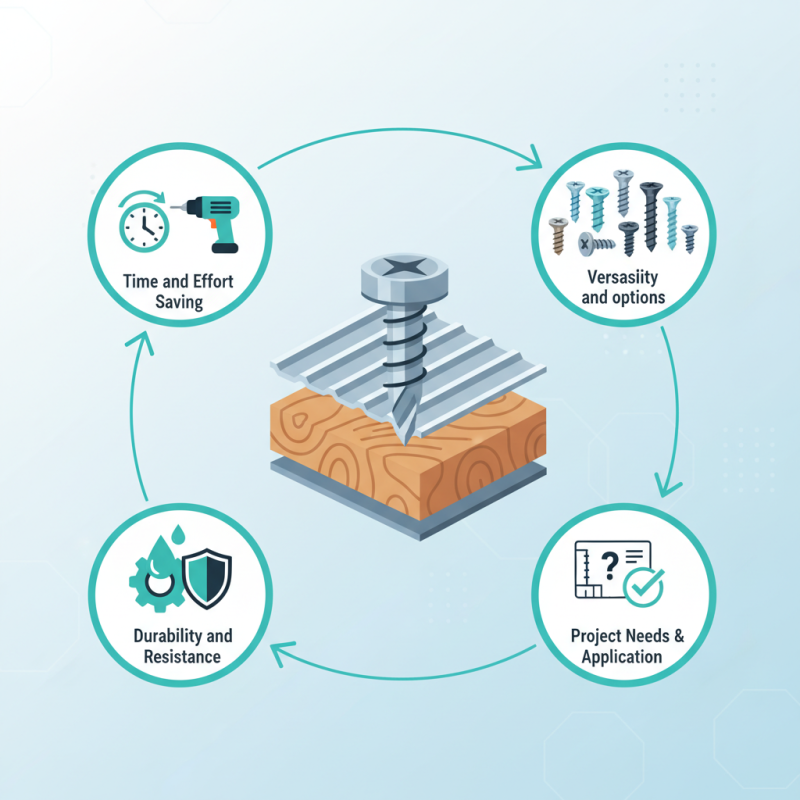
When it comes to construction and DIY projects, choosing the right fastener is crucial. “Self Drilling Screws save time and effort,” says John Harrison, a leading expert in the fastener industry. These screws eliminate the need for pre-drilled holes, making them a favorite among professionals and enthusiasts alike.
Self Drilling Screws feature a unique tip that allows them to penetrate metal and wood effortlessly. They are available in various sizes and materials, catering to different project requirements. While they offer great convenience, not all Self Drilling Screws are created equal. It's essential to consider the specific application and environment when selecting the right type.
The versatility of Self Drilling Screws is impressive. However, some users may overlook the importance of durability and corrosion resistance. This can lead to issues down the line. Understanding your project's needs and the materials involved can help you make a better choice. The right Self Drilling Screw can significantly enhance the longevity and quality of your work.
Understanding Self Drilling Screws: Key Features and Benefits
Self-drilling screws are essential for various projects. They feature a sharp drill point, allowing them to bore through materials without pre-drilling. This saves time and enhances efficiency. Made from durable materials, they provide strong, lasting connections.
Choosing the right self-drilling screw is crucial. Consider the material type and thickness you are working with. The screw's size should match your project requirements. For metal applications, you might need a longer screw. For wooden projects, ensure the screw's threads can grip effectively.
Tips: Always test your screws before the final installation. Drive a few screws into scrap material first. This will help you understand how well they perform. Check for any stripping or breakage during this test. Be mindful that proper alignment during installation can prevent issues. Misalignment may lead to weaker joints.
Types of Self Drilling Screws: A Comprehensive Overview
When choosing self drilling screws, it’s crucial to understand their types and applications. Self drilling screws are designed with a drill bit tip, allowing them to create their own hole as they are driven in. This eliminates the need for pre-drilling, saving time and effort on projects. They are particularly useful in metal-to-metal applications.
There are several categories of self drilling screws. Common options include hex head screws, which offer a strong grip and are great for structural work. Phillips head screws provide better torque and are easier to install. Flat head screws sit flush against the surface, making them ideal for aesthetic applications. Understanding these distinctions helps ensure you select the right screw for your specific project requirements.
It's important to remember that not all self drilling screws are created equal. Some will perform better in specific materials. For example, wood versus metal applications require different screw designs. Additionally, users may encounter issues with stripping or breaking if the wrong type is selected. Reflecting on previous experiences with screw selection can lead to better choices in future projects.
Selecting the Right Material for Your Self Drilling Screws
When selecting self-drilling screws, the material is crucial. Common choices include stainless steel, carbon steel, and zinc-plated options. Stainless steel offers excellent corrosion resistance, making it ideal for outdoor projects. However, it can be more expensive than other materials.
Carbon steel screws are strong and affordable. They are suitable for applications where moisture exposure is minimal. Yet, they may require coatings for added durability. Zinc-plated screws provide a balance between cost and corrosion resistance. Their coating protects against rust, but it can wear over time.
Consider the environment your screws will face. If using them outdoors, materials that resist rust should be prioritized. For indoor projects, lighter metals may suffice. Keep in mind, choosing the wrong material can lead to failures, affecting your project's integrity. Testing different options may be necessary to find the best fit.
Best Self Drilling Screw Options for Your Projects
| Screw Type | Material | Coating | Diameter (mm) | Length (mm) | Best Applications |
| Pan Head | Carbon Steel | Zinc Plated | 4.2 | 50 | Wood and Metal |
| Hex Washer Head | Stainless Steel | Passivated | 6.3 | 60 | Roofing |
| Self Drilling | Alloy Steel | Black Oxide | 5.0 | 40 | Metal Framing |
| Flat Head | Mild Steel | Galvanized | 3.5 | 30 | Furniture Assembly |
| Round Head | Brass | Nickel Plated | 4.8 | 25 | Decorative Projects |
Application Scenarios: When to Use Self Drilling Screws
Self-drilling screws are vital in various applications due to their unique design and functionality. They eliminate the need for pre-drilling, which saves time and increases efficiency. In the construction industry, these screws are commonly used in metal-to-metal connections and wood-to-metal applications. According to a report by the American Fasteners Institute, nearly 60% of construction professionals prefer self-drilling screws for their speed and reliability.
In residential projects, self-drilling screws are ideal for securing metal roofing. They penetrate metal surfaces swiftly, reducing installation labor. A study from the National Roofing Contractors Association indicates that these screws can reduce installation time by up to 30%. This efficiency makes them the go-to choice for roofing contractors, especially in tight deadlines.
However, choosing the right type is crucial. Not all self-drilling screws are suitable for every material or load requirement. A miscalculation in screw choice can lead to structural issues. Industry reports suggest that incorrect installation or selection can increase the risk of failure by 25%. Thus, understanding the specific application and selecting the correct screw type is essential.
Best Brands and Products for Self Drilling Screws in the Market
When selecting self-drilling screws, it's essential to focus on reliability and performance. Many projects require screws that can penetrate metal or dense materials without pre-drilling, making self-drilling options ideal. Look for screws with hardened tips, as they ensure smoother drilling and reduce the risk of breakage. The coating can also affect durability; options vary from zinc to specialized finishes that resist corrosion.
Several brands offer impressive self-drilling screws. Each brand has its distinct features, which can affect your project. Pay attention to the screw length and material. For instance, longer screws are better for deeper materials, while shorter screws work for thin materials. It's important to compare product specifications. Users often note discrepancies in performance; some screws perform well in specific contexts but fail when used differently. Therefore, researching various brands and seeking user feedback is crucial.
Additionally, consider the intended application of the screws. Not all self-drilling screws suit every project. For heavy-duty tasks, look for thicker and sturdier options. However, be cautious; using inappropriate screws can lead to structural failures. Understanding your project's requirements can prevent costly mistakes. Weighing both expert advice and user experiences is vital for making an informed choice.