How to Choose Alloy Steel Bevel Gear for Your Project?
When embarking on a project that requires precision and durability, choosing the right components is crucial. alloy steel bevel gears are known for their strength and reliability. These gears play a vital role in various mechanical systems, including power transmission and industrial machinery.
Selecting the appropriate alloy steel bevel gear can be challenging. Factors such as load capacity, gear ratio, and material properties must be considered. Understanding these elements ensures smooth operation and longevity of your machinery. In the realm of engineering, expertise is key. Professionals often regret overlooking these critical details.
It’s essential to analyze your specific requirements carefully. Rushed decisions can lead to operational failures. In a project, every component counts. This introduction sets the stage for a deeper exploration of alloy steel bevel gear selection. Each decision can significantly impact the overall success of your project.
Understanding Alloy Steel Bevel Gears: An Overview
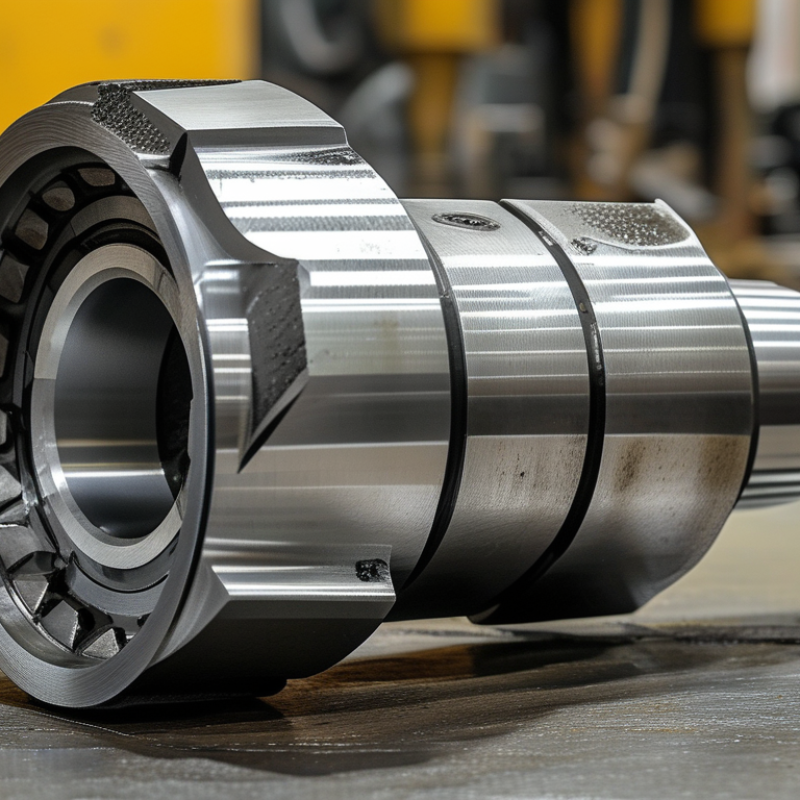
Alloy steel bevel gears are essential components in various mechanical systems. These gears can efficiently transmit power and motion at an angle, making them ideal for numerous applications. According to industry reports, the global bevel gears market is expected to grow at a CAGR of 4.8% between 2022 and 2030, signaling a consistent demand in sectors such as automotive and aerospace. Understanding their properties is crucial for project success.
Alloy steel, commonly used in these gears, provides enhanced strength and durability. It often includes elements like chromium and nickel. These additions improve wear resistance, making the gears suitable for heavy-duty applications. Interestingly, the hardness levels can vary significantly, and this will impact performance under different loading conditions. It's vital to assess the specific requirements of your project when selecting materials.
Tips: Always consider the operational environment. High temperatures and corrosive conditions can affect gear performance. Analyze the load requirements as well. Overloading can lead to premature wear or failure. Regular maintenance is crucial to ensure longevity and efficiency. Remember, the design might need adjustments over time, reflecting wear patterns and changes in operational demands.
Key Factors to Consider When Selecting Alloy Steel Bevel Gears
Choosing the right alloy steel bevel gear for your project involves several critical factors. The material composition is essential. Alloy steels typically include elements like chromium, molybdenum, and nickel. These additions enhance hardness and durability, making them suitable for demanding applications. A study by the American Gear Manufacturers Association recommends using alloy steels for gears subjected to high loads and stresses.
Load capacity is another vital aspect. The gear system must handle expected torque and radial loads efficiently. According to industry standards, a well-designed bevel gear can transmit torque effectively with minimal wear. It's crucial to assess the application environment. Factors like temperature, humidity, and exposure to corrosive substances can significantly affect performance.
Manufacturing methods also play a role in selection. Processes such as forging or machining impact the gear's strength and surface finish. It's important to consider tolerances and gear ratio requirements. These parameters directly influence performance and efficiency. Regular reviews of existing applications may highlight areas for improvement in gear selection practices. Understanding these elements ensures a successful integration of alloy steel bevel gears into your project.
The Importance of Gear Ratio in Alloy Steel Bevel Gear Selection
When selecting alloy steel bevel gears for your project, understanding gear ratio is crucial. Gear ratio determines how the input and output speeds will interact. It affects torque, efficiency, and ultimately, the success of your project. A higher gear ratio means more torque but less speed. Conversely, a lower ratio boosts speed but reduces torque. Finding the right balance is essential for optimal performance.
Tips: Consider the application. If torque is vital, prioritize a higher gear ratio. If speed is more critical, lean towards a lower ratio. Each project has unique requirements. Do not overlook how your gear selection aligns with those needs.
Evaluating the
efficiency of your gear setup is necessary. An improper gear ratio can waste energy and hinder functionality. Test various ratios during the design phase. This experimentation can highlight unforeseen challenges. Be prepared to adjust your approach based on performance feedback. Awareness of these details is key to achieving the desired results.
Material Properties and Their Impact on Gear Performance
When selecting alloy steel bevel gears, understanding material properties is crucial for performance. The strength of alloy steel varies depending on its composition. For example, nickel and chromium enhance toughness and resistance to wear. According to a study from the American Gear Manufacturers Association, specific alloy additives can improve tensile strength by up to 25%.
Moreover, hardness plays a significant role in gear operation. Gear hardness is measured using the Rockwell scale, where higher values typically signify better wear resistance. A standard report indicated that gears with a hardness of 55 HRC can outperform those with lower hardness in high-load applications. Yet, excessively hard gears may become brittle, leading to failures.
Severe conditions like temperature changes can impact performance as well. Alloy steel has varying thermal expansion rates. In practice, slight misalignments due to temperature fluctuations can cause increased tooth wear or even gear failure. Thus, engineers must balance strength, hardness, and thermal stability based on the project requirements. This intricate balance often requires careful evaluation to avoid future performance issues.
How to Choose Alloy Steel Bevel Gear for Your Project? - Material Properties and Their Impact on Gear Performance
| Material Type | Hardness (HRC) | Tensile Strength (MPa) | Wear Resistance | Applications |
| Alloy Steel A | 50-55 | 800 | High | Automotive, Machinery |
| Alloy Steel B | 45-50 | 750 | Moderate | Industrial Gears |
| Alloy Steel C | 55-60 | 900 | Very High | Mining, Aerospace |
| Alloy Steel D | 40-45 | 700 | Low | General Manufacturing |
Practical Applications of Alloy Steel Bevel Gears in Various Industries
Alloy steel bevel gears are essential in numerous industries. They efficiently transmit power at an angle. Their applications range from automotive to aerospace, where precision and durability are paramount. According to a report by Mordor Intelligence, the global bevel gear market is projected to reach $5 billion by 2026, indicating a rising demand for these components.
In manufacturing, alloy steel bevel gears are widely used in conveyor systems and robotic arms. Their high tensile strength and resistance to wear make them ideal for heavy-duty applications. A detailed analysis from Research and Markets highlights that the automotive sector alone accounts for nearly 30% of the global bevel gear market. This shows their critical role in vehicle gear systems.
Tips: When selecting bevel gears, consider load capacity and environmental factors. Ensure compatibility with existing systems for optimal performance. Remember, sometimes a less rigid gear might perform better in a dynamic environment.
Moreover, industries like marine and oil & gas also rely on these gears. But, it's important to note that not all alloys are created equal. Some may rust or corrode in harsh environments. Engaging a materials expert can significantly enhance longevity and performance. Be mindful of the specific requirements of your project before making a decision.