How to Choose the Best Multi Circuit Smart Meter for Your Needs?
Selecting the best Multi Circuit Smart Meter for your needs can be challenging. Reports show that smart meters have seen a 30% increase in adoption over the last five years. This rise indicates a growing recognition of their benefits, such as energy efficiency and cost savings. However, not all meters are created equal.
Accuracy, functionality, and communication capabilities vary greatly among different models. A recent industry survey revealed that 70% of users prioritize real-time monitoring features. These features provide insights that can lead to reduced energy consumption. Users should also consider compatibility with existing systems.
Choosing the right meter often requires reflection on individual energy needs and usage patterns. It can be easy to get swept up in technical jargon. It's important to focus on practical benefits. Assess the specific needs of your household or business to ensure your choice aligns with your energy goals.
Understanding the Basics of Multi Circuit Smart Meters
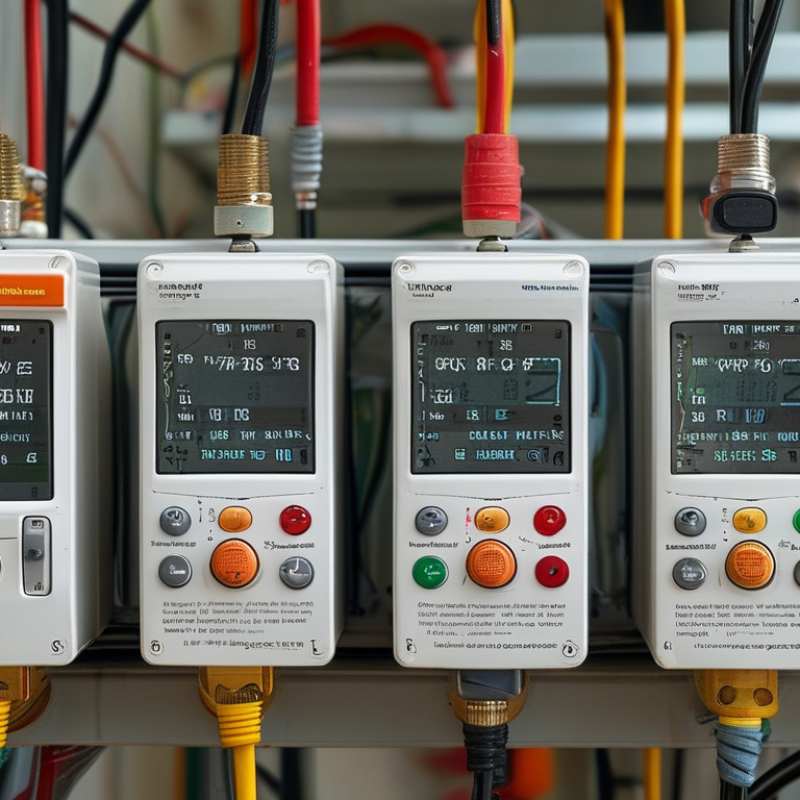
Multi circuit smart meters are essential tools for modern energy management. They enable users to monitor power consumption from different circuits in real-time. Understanding how they work can simplify energy usage tracking and enhance efficiency.
These devices collect data from multiple circuits, making it easier to identify energy hogs in your home or business. They can also provide insights into usage patterns over time. This information can be invaluable for making informed decisions on energy consumption. However, with so many features available, it’s important to know what aspects matter most for your specific needs.
The installation process can vary. Some might require professional help, while others are user-friendly. The complexity of your electrical system will dictate your choice. It’s crucial to assess the features you truly need. Are you looking for detailed analytics or more basic readings? Understanding your requirements can save time and resources in the long run.
Energy Consumption by Circuit (kWh)
Key Features to Look for in a Multi Circuit Smart Meter
When selecting a multi circuit smart meter, several key features play a significant role. Look for accurate energy consumption tracking. This ensures you understand your energy use effectively. The device should offer real-time data. Instant feedback on energy usage can help in making better decisions. Make sure it provides detailed reports as well. This way, you can analyze patterns over time.
Connectivity is also crucial. A good smart meter should integrate easily with other smart home devices. It should support various communication protocols for seamless operation. User-friendly interfaces matter tremendously. If the meter is difficult to use, it may lead to frustration. Check for mobile app support as well. This makes monitoring simpler and more convenient.
Consider the installation process. Some meters require professional setup, while others allow for DIY installation. A complicated installation could deter users. Furthermore, think about the size. A compact design can save space, which is especially relevant for homes with limited room. It’s important to balance functionality with aesthetics. Each feature should meet your specific needs, ensuring a satisfactory choice.
Assessing Your Energy Monitoring Needs and Requirements
When assessing your energy monitoring needs, start by identifying your key objectives. Are you looking to reduce your electricity bill or monitor energy consumption for sustainability? Understanding your goals informs the type of features you require. The global energy monitoring market is projected to grow at a compound annual growth rate (CAGR) of 20% between 2022 and 2027, emphasizing the rising demand for effective energy management solutions.
Consider the number of circuits you need to monitor. Single-circuit meters might suffice for smaller setups, while multi-circuit meters are essential for larger operations. A survey indicated that 35% of companies reported improved efficiency after adopting multi-circuit smart meters. However, it's crucial to align these needs with your usage patterns. What works well for one facility may not suit another.
Data security is also a significant concern. As smart meters collect detailed information, ensuring secure data transmission is vital. Some reports suggest that nearly 25% of smart meters could be vulnerable to cyber threats. Choosing a meter with robust security features protects your investment. Evaluate your needs carefully, considering the balance of functionality, security, and potential cost savings. This reflection will guide you toward an appropriate smart meter without overspending on unnecessary features.
How to Choose the Best Multi Circuit Smart Meter for Your Needs?
| Feature | Description | Importance | Rating (1-5) |
| Real-Time Monitoring | Ability to track energy usage in real-time. | Essential for immediate feedback and adjustments. | 5 |
| User-Friendly Interface | Easy navigation and clear data presentation. | High user satisfaction and minimal learning curve. | 4 |
| Data Storage | Capacity to store historical data for analysis. | Important for identifying trends and maximizing efficiency. | 4 |
| Integration with Smart Home Systems | Compatibility with home automation devices. | Enhances overall energy management capabilities. | 3 |
| Mobile App Accessibility | Availability of a smartphone app for remote access. | Convenient monitoring from anywhere. | 5 |
| Cost | Initial purchase price and ongoing costs. | Budget management and value assessment. | 4 |
Comparing Popular Brands and Models of Smart Meters
When selecting a multi circuit smart meter, it's essential to know the features that matter most. Popular models vary greatly in terms of functionality and user interface. Some offer advanced tracking, while others might focus on cost efficiency. A straightforward display can be beneficial for quick readings. Look for meters that provide real-time data access. This can help you analyze energy usage more effectively.
Brand comparisons highlight differences in accuracy and reliability. Some smart meters could show discrepancies in measurements, raising questions about their efficiency. User reviews often reveal insights that technical specifications don’t cover. Exploring feedback on installation processes and customer service helps too. Many users appreciate meters that are easy to set up and integrate with existing systems.
Consider your specific energy needs. Larger households may require meters that manage more circuits. Conversely, smaller homes might find simpler models sufficient. Keep in mind the importance of updates and remote monitoring. A meter with reliable app support can enhance your experience. However, sometimes the cost of advanced features might outweigh their benefits. Balancing features with your actual needs is vital for smart meter selection.
Installation and Maintenance Considerations for Smart Meters
When selecting a multi circuit smart meter, installation and maintenance play critical roles. An industry report from the Smart Electric Power Alliance indicates that proper installation can enhance energy monitoring accuracy by up to 30%. Skilled technicians are often required for installation to ensure compliance with local regulations and standards. Incorrect installation may lead to data inaccuracies and potential safety hazards.
Moreover, ongoing maintenance is essential for optimal performance. Regular updates to software and firmware can prevent malfunctioning. Some studies show that neglected maintenance can reduce meter performance by as much as 40%. A proactive approach often includes periodic checks and troubleshooting. This reflects the importance of not only choosing a quality meter but also establishing a reliable maintenance schedule.
Many users overlook the time and resources needed for maintenance. Testing and calibrating meters should not be seen as optional. Ensuring robust maintenance measures can dramatically extend the lifespan of the meter. A detailed log of maintenance activities can help in identifying patterns over time, leading to better decision-making. This practice ultimately supports sustained energy efficiency and cost savings.