How to Choose Rechargeable Lithium Batteries for Your Needs?
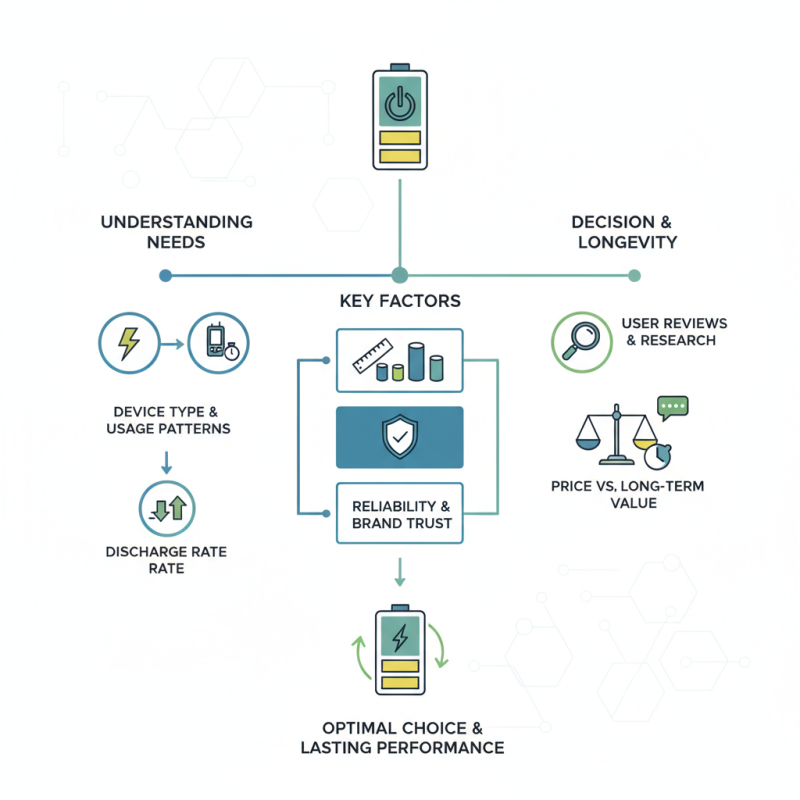
Choosing the right Rechargeable Lithium Batteries can greatly affect your devices' performance and longevity. These batteries are popular for their efficiency and lightweight nature. Yet, selecting the best option requires careful consideration of various factors. Understanding your devices' specific voltage and capacity needs is essential. Not all rechargeable lithium batteries are created equal, and mismatches can lead to poor performance.
Many users overlook important details, such as battery size and discharge rates. These factors directly influence how well a battery will work in your device. It is crucial to assess your usage patterns. For example, high-drain devices may need batteries with higher discharge rates. Misunderstanding these aspects can lead to frustration and increased costs.
Reliability is key when choosing rechargeable lithium batteries. Trusted brands often provide better quality and safety features. Researching user reviews can guide your decision-making process. Remember, a battery's longevity is not just about the price. It is about the right fit for your needs and ensuring lasting performance.
Understanding Lithium Battery Basics and Chemistry
Understanding the basics of lithium battery chemistry is vital for making informed choices. Lithium batteries, commonly used in consumer electronics, employ lithium ions to store and release energy efficiently. Their chemistry enables higher energy density compared to traditional alkaline batteries. According to industry reports, lithium-ion batteries can achieve energy densities of 150-200 Wh/kg, making them ideal for portable devices.
When selecting rechargeable lithium batteries, consider their charge cycles. Most lithium batteries can endure 300-500 cycles before capacity diminishes significantly. Factors such as temperature can affect performance. A study indicated that high temperatures may reduce lifespan by 20-30%. Therefore, proper storage conditions are crucial.
**Tips:** Always check the manufacturer's specifications. Ensure that the battery fits your device's requirements. Pay attention to both capacity and discharge rates. For heavy usage, opt for batteries with a higher discharge rate.
While lithium batteries offer many advantages, they have drawbacks too. Overcharging can lead to safety issues, making battery management systems essential. Furthermore, improper disposal can harm the environment. Community recycling programs are available for safe disposal.
Evaluating Battery Capacity, Voltage, and Energy Density
When choosing rechargeable lithium batteries, evaluating battery capacity, voltage, and energy density is crucial. Battery capacity, measured in milliampere-hours (mAh), directly impacts how long your device will run. A higher mAh rating typically means longer use between charges. For instance, a battery with 2000 mAh can power a device longer than one with 1000 mAh. However, a higher capacity often leads to a larger size. Balancing your need for longevity with portability is essential.
Voltage plays a pivotal role in battery performance. Most lithium batteries operate at around 3.7 volts. This is a standard for many applications. A deviation in voltage can affect the performance of your devices. Devices designed for a lower voltage may struggle with higher voltage batteries, leading to potential damage. It’s vital to ensure compatibility before you purchase.
Energy density is another critical factor. It refers to the amount of energy stored in a given volume. Batteries with high energy density are usually preferred for compact devices. They deliver power without adding bulk. However, these batteries can be more expensive and may have trade-offs in lifespan or safety. Exploring these aspects is essential. Each choice can impact your overall experience with rechargeable batteries.
Battery Capacity Comparison of Common Lithium Batteries
This bar chart illustrates the capacity in milliamp hours (mAh) of various common rechargeable lithium batteries. Understanding the capacity can help you choose the most suitable battery for your needs.
Identifying Different Types of Lithium Batteries
When selecting rechargeable lithium batteries, it's crucial to understand the various types available. Lithium-ion (Li-ion) and lithium polymer (LiPo) batteries are the most common. Li-ion batteries have a high energy density, making them popular for smartphones and laptops. They typically offer a lifespan of 500 to 1,000 charge cycles, which is significant for everyday electronics.
On the other hand, LiPo batteries are lighter and can be molded into different shapes. They are commonly used in drones and remote-controlled devices. However, they demand careful handling due to their sensitivity to temperature and potential fire risks. A report by the International Energy Agency emphasizes that choosing the right battery type can enhance performance and safety.
When deciding between these options, consider the specific requirements of your application. Factors like discharge rates, charging speed, and overall weight are essential. A survey found that 65% of users prioritize performance over capacity. This indicates that understanding the nuances of each battery type can lead to better choices. Not all batteries fit every need, so reflection on your priorities is necessary.
Considering Charging Cycles and Lifespan
When selecting rechargeable lithium batteries, understanding charging cycles and lifespan is crucial. A charging cycle refers to the process of discharging and then recharging a battery. Typically, lithium batteries can endure 300 to 500 full cycles. However, this varies by usage and storage conditions. Over time, the battery's capacity diminishes, leading to shorter usage between charges. It is essential to note that not all cycles are equal. Frequent partial discharges can also affect longevity.
Tips: Monitor your charging habits. Avoid letting your battery drain completely before recharging. This practice can help prolong its lifespan. Store batteries in a cool, dry place when not in use to reduce degradation.
Also, consider the lifespan of your specific device. Some gadgets require batteries with lower cycle capabilities, while others thrive on longer-lasting options. Having a clear understanding of your needs can be helpful. Don't be afraid to ask for advice if you're unsure which option is best. Learning from others' experiences can guide you in making informed choices.
Assessing Safety Features and Environmental Impact
Choosing rechargeable lithium batteries involves careful consideration of safety features and environmental impact. A key aspect of safety is the battery's thermal stability. Data indicates that approximately 60% of battery-related incidents result from overheating. Ensuring batteries have built-in protection mechanisms, like thermal fuses and pressure valves, can significantly mitigate these risks.
Environmental concerns are equally pressing. According to a 2021 report by the International Energy Agency, lithium extraction can have significant ecological consequences. Water depletion and pollution are common issues in regions with lithium mining. Sustainable practices are critical for long-term viability. It's important to assess whether the batteries are recyclable and how they impact waste management.
Consumer education is vital. Many users overlook battery lifecycle assessments. Understanding how batteries are manufactured, used, and disposed of can influence your purchase decisions. Engaging with resources from reputable environmental organizations can provide deeper insight into these products’ broader implications. A battery's safety and environmental footprint should be at the forefront of your evaluation.