How to Choose the Best E-Motorcycle for Your Needs?
The rise of E-Motorcycles has transformed personal transportation. Recent market reports indicate that the global electric motorcycle market is projected to reach $24 billion by 2027, growing at a CAGR of over 20%. This surge reflects a shift in consumer preferences toward sustainable and efficient mobility solutions.
As more riders consider E-Motorcycles, selecting the right model becomes crucial. Factors like battery life, range, and charging time are essential. For instance, a model with a range of 100 miles can meet most urban commuting needs. However, not all motorcycles are created equal, and some may not perform as advertised.
It's important to research reputable brands and user reviews before making a decision. Experts recommend test rides to assess comfort and handling. Understanding your individual needs and lifestyle can guide you toward the perfect E-Motorcycle. Embracing electric mobility requires careful thought, ensuring you choose a model that aligns with your expectations.
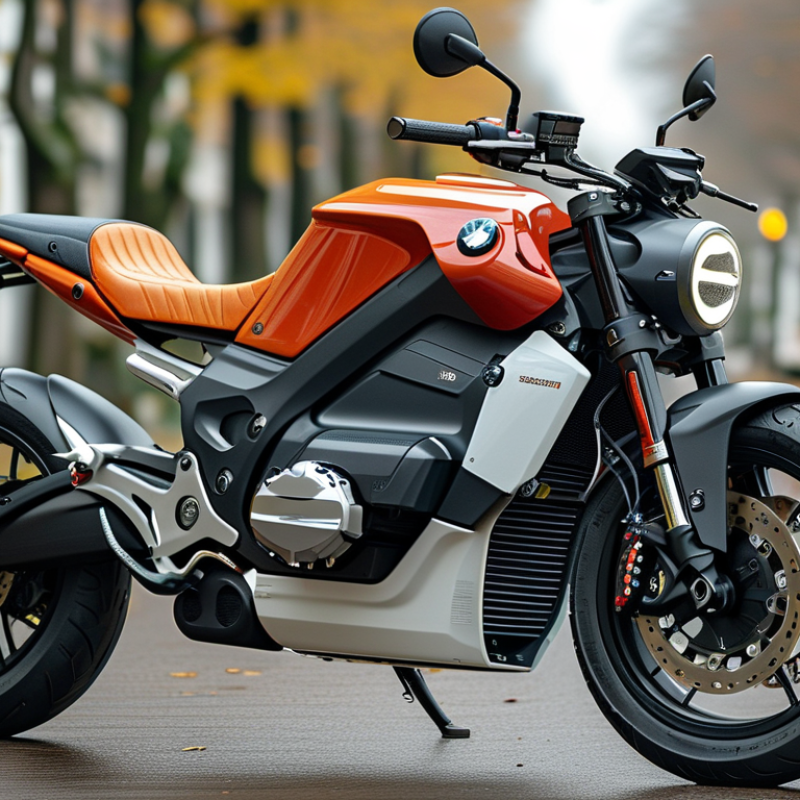
Understanding Your Riding Needs and Preferences
When choosing an e-motorcycle, your riding needs and preferences are crucial. Consider the type of terrain you will cover. Reports show that 45% of e-motorcycle users prefer urban commuting over long-distance travel. If you ride primarily in the city, look for lightweight models with quick acceleration. These bikes enhance agility in congested areas.
Battery capacity is another essential factor. A study by the Electric Drive Transportation Association indicates that most riders prefer a range of at least 100 miles on a single charge. However, riders often overlook charging times. It’s essential to find a balance between range and how long you’re willing to wait for a recharge.
Tips: Think about your typical ride distance. Are you often on the road for over an hour? Look for models with fast charging options. Also, consider your physical comfort. If you’re taller or heavier, ensure the bike's ergonomics fit your body type. Doing proper research can save you from future discomfort and regret. Take test rides if possible; they provide insights that specifications can't convey alone.
Exploring the Different Types of E-Motorcycles
When choosing an e-motorcycle, understanding the types available is crucial. Three primary categories exist: commuter models, off-road variants, and high-performance bikes. Each caters to different riding needs and preferences. According to a recent industry report, commuter e-motorcycles account for over 45% of global sales in the segment. These are designed for daily travel and usually offer a range of 40 to 60 miles on a single charge.
Off-road e-motorcycles are gaining traction, especially among adventure enthusiasts. They often feature rugged designs, enhanced suspension systems, and battery capacities that can support longer rides. Data shows that 25% of users describe their off-road experience as transformative. However, these bikes might require more maintenance compared to their commuter counterparts. Riders should weigh the trade-offs between durability and operational costs.
High-performance e-motorcycles appeal to speed enthusiasts. They typically provide thrilling acceleration and top speeds exceeding 100 mph. Yet, these models can be pricier and may not always be practical for daily use. A survey indicated that 30% of riders regretted prioritizing power over practicality. Reflecting on these factors can help you align your choice with genuine needs rather than desires.
Evaluating Key Features and Specifications
When choosing an e-motorcycle, evaluating key features is crucial. One important factor is the battery capacity. Higher capacity means longer ranges. You can find models that offer from 40 to 100 miles on a single charge. Consider your daily riding needs. A longer range might be necessary for commuting.
Performance is another key specification to assess. Pay attention to acceleration capabilities. Many models offer rapid starts, which can enhance your ride experience. Torque is vital too. It affects how quickly you respond at traffic lights. A test ride can help you feel the performance firsthand.
Safety features should not be overlooked. Check for anti-lock braking systems and traction control. These features can make a huge difference in tricky conditions. Additionally, consider the weight of the motorcycle. Heavier models may provide stability but can be cumbersome.
Reflect on your comfort preferences as well. Seat height and handlebar positioning are essential. Test how you feel after sitting for a few minutes. Ultimately, taking these specifications into account can lead you to a better buying decision. Consider writing down your priorities to keep track of what matters most.
Comparison of Key Features in E-Motorcycles
Assessing Battery Range and Charging Options
When choosing the best e-motorcycle, assessing battery range and charging options is crucial. Most electric motorcycles offer a range between 50 to 200 miles on a full charge. This variation depends on the battery capacity, riding style, and terrain. Research shows that lighter models tend to have better efficiency, while heavier bikes may consume more energy.
Charging options also significantly impact your choice. Standard charging takes several hours, while fast charging can reduce this to a mere 30 minutes. According to industry reports, nearly 70% of riders value the availability of public charging stations. Locations, convenience, and charging speed can make or break your riding experience.
Tip: Consider your daily commute and the availability of charging points. Calculate the distance and assess if the e-motorcycle can handle your essential trips without draining the battery.
Battery management systems are essential for maintaining battery health. A well-designed system can enhance battery lifespan up to 10 years, but performance may dip over time. Keep in mind that some e-motorcycles may require software updates to maximize efficiency. Always check for reports on long-term performance.
Tip: Read user reviews about battery performance over extended periods. Real-user experiences can provide valuable insights into potential limitations.
Considering Budget and Financing Solutions
Choosing the right e-motorcycle requires careful thought about your budget. E-motorcycles vary wildly in price based on features and range. The initial cost might seem daunting. Yet, the long-term savings on fuel and maintenance can offset this.
Financing options can ease the burden. Consider loans specifically designed for e-vehicles. Monthly payments can fit within your budget. Look for lenders familiar with e-motorcycles. They can guide you through the specific costs involved. A low-interest rate can make a significant difference over time.
Remember to factor in hidden costs like insurance and charging. Some areas offer incentives for electric vehicles. Research local grants or rebates that can reduce the overall cost. It’s wise to reevaluate your budget often. The market for e-motorcycles is changing rapidly, and staying informed is crucial.