How to Choose the Best Packaging Machine for Your Business?
Choosing the right Packaging Machine is crucial for any business that relies on effective product presentation and preservation. The Packaging Machine directly impacts your efficiency and customer satisfaction. An ideal machine should meet your unique production requirements and budget constraints. It is essential to understand your specific needs before making a decision.
With various types of Packaging Machines available, selecting the best one can be overwhelming. You might feel uncertain about which features matter the most. Consider factors such as speed, size, and the types of materials you will use. Proper research helps in identifying machines that suit your operational goals.
Many businesses overlook the importance of service and maintenance when choosing a Packaging Machine. A reliable machine is not just about initial cost; it's about long-term usability. Ensure the supplier offers support and training. This consideration can save time and improve production outcomes. Remember, a hasty choice may lead to regrets and inefficiencies in the future.
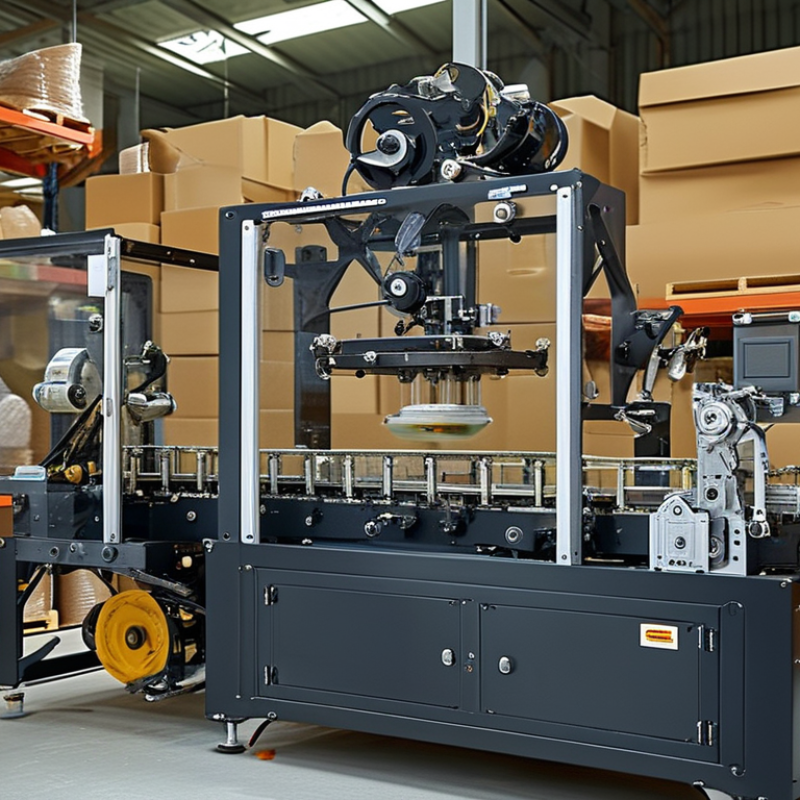
Understanding Your Packaging Needs for Business Efficiency
When selecting a packaging machine, understanding your specific packaging needs is crucial. Evaluate what products you offer. The type of materials you use impacts the machine's design. For instance, delicate items require gentle handling. Robust products may need a sturdy, high-speed machine. Assess how the machine will fit into your production line. Space constraints can limit your options.
Think about the volume of your production. Are you processing small or large quantities? Machines designed for high output are different from those handling small batches. Additionally, consider flexibility. Will your business evolve, requiring varied packaging styles? Investing in a versatile machine can save costs in the long run.
Consulting with experts can offer insights. They can help identify challenges and recommend suitable machines. However, relying solely on external advice isn't ideal. Gathering feedback from your team members offers practical perspectives. Their hands-on experience can uncover details that experts might overlook. Make informed choices by balancing professional insights with internal knowledge.
How to Choose the Best Packaging Machine for Your Business? - Understanding Your Packaging Needs for Business Efficiency
| Packaging Type | Best Use Case | Speed (Units/Min) | Price Range ($) | Maintenance Requirement |
| Vertical Form Fill Seal | Granular Products | 30-100 | 5000 - 15000 | Low |
| Horizontal Flow Wrapper | Food Products | 40-120 | 8000 - 20000 | Moderate |
| Shrink Sleeve Labeler | Beverages & Containers | 60-150 | 10000 - 25000 | High |
| Cartoning Machine | Pharmaceuticals | 20-50 | 20000 - 50000 | Moderate |
| Pallet Wrapper | Heavy Products | 20-40 | 3000 - 10000 | Low |
Types of Packaging Machines: Selecting the Right One for Your Product
When selecting the right packaging machine for your product, consider the type of packaging needed. Different products require different packaging styles. For example, liquids often need filling machines with precision controls. Solid items might benefit from vertical form-fill-seal machines. The choice directly impacts efficiency and product integrity.
Another critical factor is the speed of operation. High-demand products might require faster machines, while custom or low-volume items can use slower, more versatile models. Evaluate your production needs. It’s not just about speed; the machine should adapt to various product sizes. You might face challenges with upgrades or changes later if the original choice isn’t flexible.
Lastly, consider operational costs. Some machines might seem affordable but incur high maintenance fees. Look for reliable options that require less downtime. Reflect on the long-term implications of your choice. Investing time in research now can save money and headaches in the future. Remember, an ideal packaging machine enhances productivity but must serve your unique business needs.
Evaluating Key Features and Specifications of Packaging Machines
Choosing the right packaging machine requires a keen understanding of its features and specifications. Start by evaluating production speed. Most packaging machines operate between 20 and 120 packages per minute. Your choice should align with your production goals. If you encounter a machine that performs at the higher end but lacks reliability, you may face downtime. Efficiency and consistency are paramount in the packaging process.
Next, consider the machine's versatility. Many businesses benefit from multi-use machines that can handle different packaging types. Flexibility ensures that as your product range expands, your equipment can adapt. Reports indicate that manufacturers that invest in versatile machinery see a 30% increase in production capacity. However, multi-functional machines often come with a steeper learning curve. Training staff may require additional time and resources.
Lastly, automation features are crucial. Machines with advanced control systems can enhance precision, reducing material waste. Research shows that businesses utilizing automated systems decrease operational costs by nearly 20%. Yet, increasing complexity could lead to occasional operational challenges. Balancing automation with user-friendliness is essential for maximizing productivity while managing potential setbacks.
Budget Considerations: Cost vs. Value in Packaging Solutions
When considering packaging solutions, budget is a major factor. You want to invest wisely in a packaging machine that meets your business needs. Price tags can vary widely, but understanding the cost versus value is critical. A more expensive machine may come with advanced features that enhance efficiency. It can reduce labor costs and improve product quality. Yet, a lower-cost option might suffice if your needs are basic.
Think about the long-term implications of your choice. A cheaper machine might save you money upfront but could lead to higher maintenance costs later. Evaluate your production volume and the complexity of your packaging. If your operation scales up, a flexible machine may offer better value over time.
Reflect on how the machine aligns with your growth plans. Are you planning to expand product lines? Consider those factors before making a decision. Investing in a reliable machine pays off if it enhances productivity. A thorough cost-benefit analysis can guide this important decision. Choose a machine that not only fits your budget but also meets your operational goals.
Cost vs. Value in Packaging Solutions
Assessing Vendor Reputation and Support for Packaging Equipment
When selecting a packaging machine, assessing vendor reputation is crucial. A reliable vendor provides not just equipment, but also ongoing support. According to industry reports, nearly 80% of businesses prioritize vendor support quality. This high percentage shows the emphasis professionals place on trustworthy relationships.
Many companies fail to evaluate vendor history. They overlook the importance of reviews and past performance. A reputable vendor often has customers willing to share experiences. These testimonials can reveal how well the vendor responds to issues or upgrades. In a fast-paced market, having a dependable partner can minimize downtime.
It’s wise to ask about maintenance and support services. Some reports indicate that inadequate support increases operational costs by 30%. Regular maintenance keeps machines running efficiently, reducing unexpected failures. Moreover, vendors with a strong industry presence often have established protocols. This helps in timely problem resolution. If only the selection process was easier! A well-informed choice can lead to smoother operations.