How to Choose the Best Rectifier Charger for Your Needs?
Choosing the right Rectifier Charger can significantly impact your battery management system. A suitable charger ensures optimal battery performance and longevity. Different types of Rectifier Chargers cater to various needs, so understanding their characteristics is essential.
When looking for a Rectifier Charger, consider the application. Are you charging batteries in a recreational vehicle, a boat, or an industrial setup? Each scenario demands specific features. Furthermore, assess the charging speed and efficiency. A faster charging solution might seem appealing, but it could reduce battery lifespan if not managed correctly.
Lastly, read reviews and seek expert opinions. The experiences of others can help guide your choice. However, be cautious of misleading information. Don’t overlook the importance of warranty and after-sales support. A reliable Rectifier Charger provider will stand behind their product, ensuring you receive assistance when needed. Balancing all these factors is key to making an informed decision.
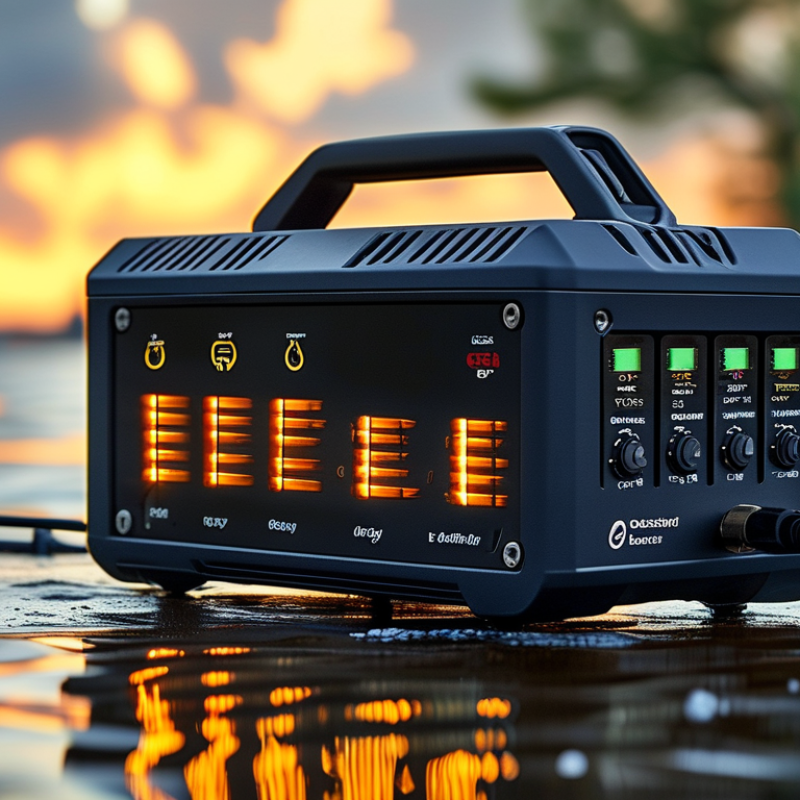
Understanding Rectifier Chargers and Their Functionality
Rectifier chargers play a crucial role in converting alternating current (AC) into direct current (DC). This process is essential for charging batteries. Understanding how these devices function can help you choose the right one for your needs.
Rectifier chargers use diodes to allow current to flow in one direction. This creates a stable DC output suitable for charging. However, not all chargers are the same. Some may be more efficient or durable than others. It’s essential to consider factors like the charger’s output voltage and current rating.
When selecting a rectifier charger, focus on your specific requirements. Consider the type of battery you need to charge. Will it be used infrequently or at regular intervals? Experimenting with different models may lead to better performance. Keep in mind that cheaper options might not always be the best choice. Reliability should be a priority.
Evaluating Your Power Needs and Battery Specifications
When evaluating your power needs, consider your battery specifications closely. Understanding your system’s voltage and capacity is crucial. For example, a 12V battery typically requires a charger rated at 10-15% of its amp-hour (Ah) capacity for efficient charging. Industry studies emphasize that using the right charger can enhance battery life by up to 30%.
Battery types also influence charger selection. Lead-acid, lithium-ion, and AGM batteries have distinct charging requirements. Lead-acid batteries necessitate a constant voltage of 14.4V, while lithium-ion batteries operate optimally at around 14.6V. Failing to use compatible chargers can lead to inefficient charging cycles and reduced lifespan.
In addition, consider the charging environment. Experts note that extremes in temperature can affect charging efficiency. For example, cold weather can slow charging rates, and excessive heat can lead to overcharging. A reliable rectifier charger should include features that regulate these conditions. Ultimately, a thorough assessment of your battery specifications and environment ensures a charger that meets your unique power requirements.
How to Choose the Best Rectifier Charger for Your Needs?
| Battery Type | Voltage (V) | Capacity (Ah) | Charger Output (A) | Features |
| Lead-Acid | 12 | 100 | 10 | Smart charging, Overload protection |
| AGM | 12 | 80 | 8 | Rapid charging, Temperature compensation |
| Lithium-ion | 12 | 50 | 5 | Lightweight, Long lifespan |
| Gel | 6 | 200 | 15 | Maintenance-free, Deep cycle |
| Flooded Lead-Acid | 12 | 120 | 12 | Economical, Robust design |
Key Features to Consider When Selecting a Rectifier Charger
When selecting a rectifier charger, several key features demand your attention. Start with the power output. Consider how much power your battery requires. A higher output will charge faster, but too much power can overheat or damage your battery. It's a delicate balance.
Next, look at the charging modes. Some chargers offer multiple options, like trickle or fast charging. This versatility can be beneficial, especially if you have different battery types. It allows for better battery management over time. Think about the size and portability of the charger too. A lightweight, compact option suits those who travel frequently.
Durability is another crucial aspect. Check the materials used in construction. A robust design withstands harsh conditions. However, some cheaper models may fail after short use. Lastly, ensure the charger has safety features, like overcharge protection. This can prevent potential hazards. Reflect on your unique needs and situations, as they will guide your choice.
Comparing Different Types of Rectifier Chargers on the Market
When selecting a rectifier charger, understanding the different types available is crucial. Each type offers unique features tailored to specific applications. For instance, transformer-based chargers are well-known for their reliability. They can convert AC to DC efficiently, typically yielding less than 1% ripple voltage. This makes them suitable for sensitive equipment.
On the other hand, switch-mode power supplies (SMPS) provide a more compact design and higher efficiency. Reports indicate they can reach efficiencies of over 90%. However, they may introduce electromagnetic interference (EMI) that can affect nearby devices. Balancing efficiency with equipment compatibility is vital when making your choice.
Battery chemistries also influence charger needs. Lithium-ion batteries require precision voltage control. A mismatch can lead to reduced lifespan or hazardous outcomes. In contrast, lead-acid batteries are more forgiving but still benefit from optimal charging profiles. Therefore, examining the requirements of your battery type is essential. By weighing these factors, you can find a rectifier charger that aligns with your specific needs and enhances the longevity of your equipment.
Maintenance Tips for Ensuring Longevity of Your Rectifier Charger
Maintaining your rectifier charger is crucial for its longevity. Regular inspection of the cables and connections is essential. Loose or corroded connections can lead to voltage drops. In fact, a study by the Institute of Electrical and Electronics Engineers (IEEE) highlighted that poor connections can reduce efficiency by up to 20%. Checking for any signs of wear or damage can prevent significant issues down the line.
Temperature regulation is another critical aspect to consider. Chargers operate most efficiently within a certain temperature range. Exceeding this range can cause overheating, which damages internal components. The Battery Council International (BCI) recommends keeping chargers in a controlled environment. Ideal operating temperatures range between 50°F to 104°F. If your charger frequently operates outside this range, you may face reduced lifespan.
Additionally, routine cleaning is often neglected. Dust accumulation can obstruct ventilation. This can lead to overheating. Regularly wiping down your charger can make a big difference. Ensuring that vents are clear significantly improves performance. A comprehensive maintenance checklist can help in keeping track of these tasks, enhancing the reliability of your equipment over time.
Rectifier Charger Performance Comparison
This bar chart compares the performance of two different rectifier chargers based on input voltage, battery charge time, and efficiency. These metrics can help you choose the best option suitable for your specific needs.