How to Choose the Right Emergency Generator for Your Needs?
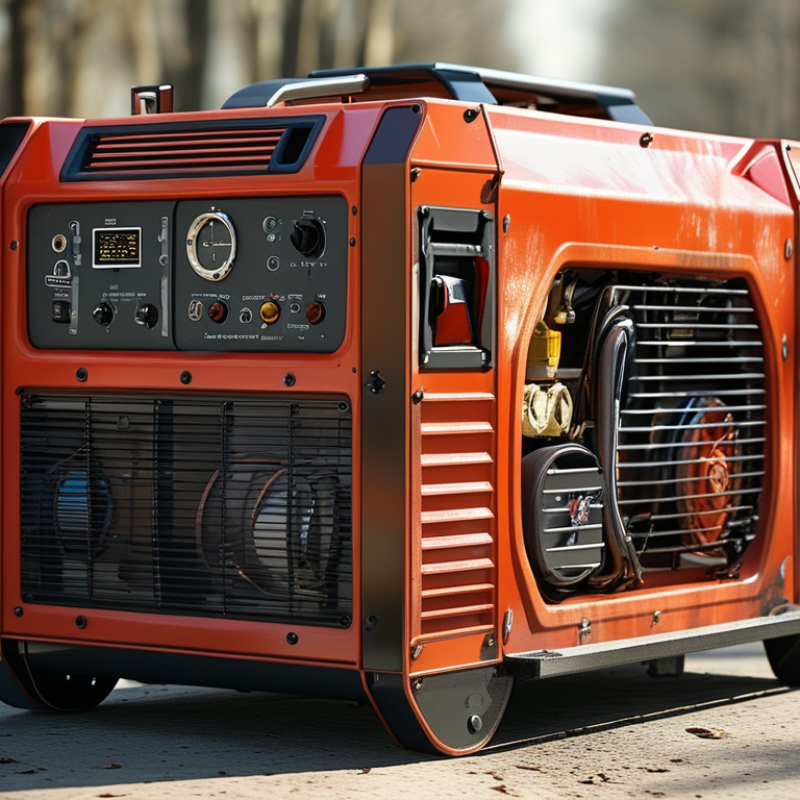
When the power goes out, an Emergency Generator can be a lifesaver. Choosing the right one for your needs requires careful consideration. There are many options available, and it’s crucial to understand your specific requirements.
Not all emergency generators are the same. Factors such as wattage, fuel type, and portability play significant roles. If you're in a storm-prone area, you might need a generator with higher output. Alternatively, a smaller unit might suffice for short outages.
Purchasing an emergency generator can be overwhelming. Research is key to finding the right fit. Consult reliable sources or professionals for advice. Take the time to weigh your options. Even small choices can have a big impact when faced with an emergency. Make sure your investment provides peace of mind and meets your essential needs.
Understanding Your Power Needs: Calculating Wattage Requirements
Calculating wattage requirements is crucial when selecting an emergency generator. It begins with understanding the power needs of your home or business. A typical refrigerator can consume up to 800 watts. Meanwhile, a small air conditioner might require around 2000 watts. Knowing these numbers helps you gauge the necessary generator size.
To determine your total wattage needs, make a list of all essential appliances. Add together their running watts and starting watts. Starting watts can be significantly higher. For example, a washing machine may need 1200 running watts but 2400 starting watts. Reports suggest that about 70% of households underestimate their wattage needs. This error often leads to purchasing inadequate generators.
Consider the frequency of power outages in your area and the duration you need backup power. If outages last several hours, a larger generator may be necessary. Planning for these details can be challenging but is essential. Some users may overlook specific devices that require power, leading to potential inconvenience. Understanding your wattage needs can empower you to make a more informed choice.
Types of Emergency Generators: Portable vs. Standby Generators
When choosing an emergency generator, understanding the differences between portable and standby generators is crucial. Portable generators are designed for mobility. They are usually less expensive and can be easily transported. These generators can power essential appliances during an outage. However, they require manual operation and fuel refills. While convenient, portability can sometimes lead to issues like insufficient capacity for larger homes.
Standby generators are more complex. They are installed permanently and connected to your home's electrical system. These generators automatically activate during a power outage. They provide reliable power for larger appliances and systems, such as heating and cooling. However, they come with a higher price tag and require professional installation. Maintenance is also necessary to ensure they function when needed.
Consider your specific needs carefully. A portable generator might suffice for occasional outages, but a standby generator offers peace of mind for longer disruptions. The choice depends on your power requirements, budget, and the frequency of outages in your area. Reflecting on these aspects can help guide you in selecting the right generator for your situation.
How to Choose the Right Emergency Generator for Your Needs?
| Type of Generator | Power Output (Watts) | Fuel Type | Run Time (Hours) | Cost ($) |
| Portable Generator | 3,000 - 7,500 | Gasoline | 8 - 12 | 400 - 1,200 |
| Standby Generator | 5,000 - 20,000 | Natural Gas, Propane | Unlimited (as long as fuel supply is available) | 2,000 - 5,000 |
| Inverter Generator | 1,000 - 4,500 | Gasoline | 6 - 14 | 300 - 1,500 |
Key Features to Consider: Fuel Type, Voltage Output, and Run Time
Choosing the right emergency generator involves understanding three key features: fuel type, voltage output, and run time. Each plays a critical role in ensuring your generator meets your needs, especially during power outages.
Fuel type is often the primary consideration. Common options include gasoline, diesel, and propane. Gasoline generators are easily accessible and portable. However, they can be less efficient in terms of run time. Diesel units offer longer runtimes but may require more maintenance. Propane is cleaner and can be stored longer. Consider your local fuel availability for practical decision-making.
Voltage output is essential for compatibility with your devices. Generators typically range from 120V to 240V. Ensure the generator can support your critical appliances. If unsure, calculate the wattage of your essential devices to avoid overload situations.
Run time is the final critical factor. It impacts how long you can sustain power during an outage. A generator's run time on a single tank varies widely. Look for models with removable fuel tanks for extended use. This feature can mitigate challenges during prolonged outages.
**Tips:** Test your generator monthly to ensure it starts easily. Store extra fuel safely and keep it labeled. Regular maintenance checks can uncover issues before they become significant problems. Always keep an eye on the manufacturer's specifications for optimal performance.
Safety Considerations: Carbon Monoxide Detectors and Proper Ventilation
When selecting an emergency generator, safety is paramount. Carbon monoxide (CO) is a silent killer. It is colorless and odorless, making it particularly dangerous. Installing carbon monoxide detectors near sleeping areas can save lives. These devices alert you when CO levels rise. Regularly check the batteries to ensure they are functional.
Proper ventilation is also crucial. Generators emit exhaust fumes that contain CO. Position your generator in an open outdoor area, away from windows and doors. Ensure that the exhaust does not enter your home or any enclosed spaces. It’s unsettling to think about potentially harmful fumes infiltrating your living environment.
Check local guidelines on generator usage. Some areas have specific codes regarding their operation. Ignoring these can lead to fines or unsafe situations. Being informed is your best defense. Adopting precautions minimizes risks. Review your installation regularly. Reflect on any past close calls. Improving your setup can make a significant difference.
Cost Analysis: Initial Investment vs. Long-term Operation and Maintenance
When considering an emergency generator, cost is a primary factor. The initial investment often seems daunting. However, analyzing long-term operation and maintenance costs is crucial for decision-making. According to industry reports, a quality generator can range from $500 to over $5,000. Yet, operating costs may be as little as $50 annually for fuel, maintenance, and repairs.
**Tip:** Calculate total cost over five years. This includes purchase, installation, fuel, and maintenance. For instance, a generator costing $2,000 could total $3,000 or more when factoring in these expenses. This nuanced perspective can prevent overspending and ensure effective budgeting.
Maintenance is another ongoing cost. Components like oil filters and batteries may require annual changes, typically around $200 to $500 per year. A lack of maintenance can lead to more significant repairs, adding unexpected costs. Reports show that neglecting maintenance may void warranties or lead to generator failure during emergencies.
**Tip:** Schedule regular maintenance checks. This ensures your generator operates efficiently and prolongs its lifespan. Understanding these costs helps in making informed decisions about the right generator for your needs.
Cost Analysis of Emergency Generators