What is a DC High Pressure Pump and How Does It Work?
Dc High Pressure Pumps are essential in various industries, including water treatment and manufacturing. According to a recent industry report, the global market for DC high pressure pumps is expected to reach $1.2 billion by 2025. This growth is driven by increasing demand for efficient fluid transfer solutions. Experts like Dr. Emily Hart, a leading figure in pump technology, noted, "DC high pressure pumps are revolutionizing the way fluids are moved in industrial applications."
These pumps operate by converting electrical energy into mechanical energy, allowing for high-pressure operation. Each component, from the motor to the pump head, is designed for efficiency. Many industries benefit from using these pumps, which offer advantages like precision and energy savings. However, factors like maintenance and potential pump wear must be considered.
Understanding how a DC high pressure pump works can enhance operational effectiveness. Some users overlook critical maintenance schedules, leading to performance issues. Thus, while the advantages are significant, those involved in pump technology must remain vigilant. This highlights the need for continuous improvement and innovation in the field.
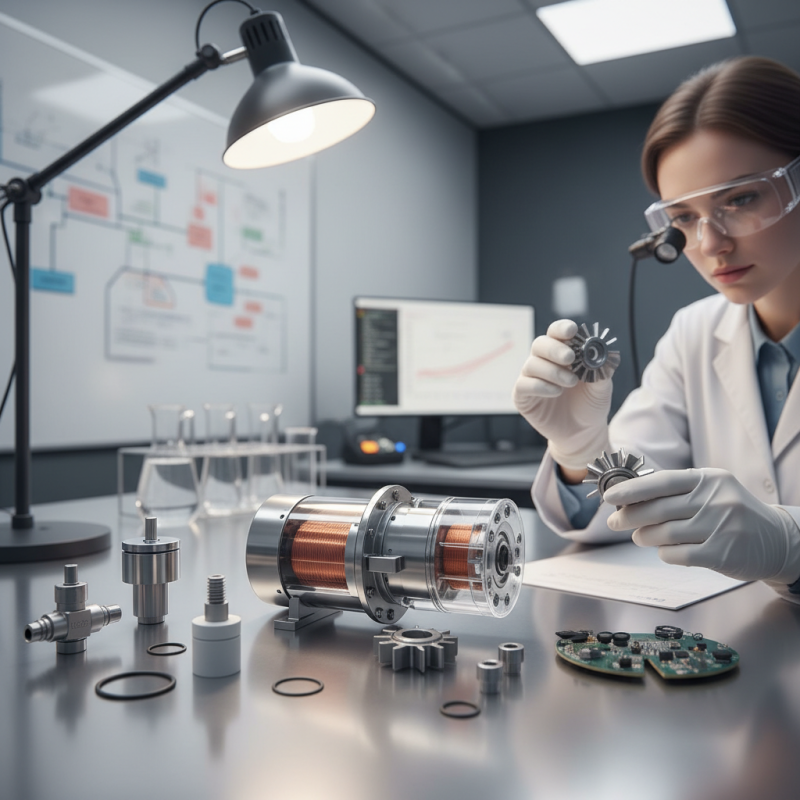
What is a DC High Pressure Pump?
A DC high-pressure pump is a vital component in various applications. It uses direct current (DC) power to generate high-pressure water flow. This type of pump is commonly found in industrial settings, agricultural irrigation, and pressure cleaning. It is well-suited for scenarios where high efficiency and precise control are essential.
The design of a DC high-pressure pump typically includes a simple yet effective motor. This motor powers a mechanism that compresses water. As the water is forced through a narrow passage, it gains pressure. Some pumps feature adjustable settings, allowing users to control the output pressure. This flexibility can save energy and optimize performance in changing conditions.
It's essential to understand potential challenges when using these pumps. For instance, improper installation can lead to water hammer or pressure surges. Maintenance is crucial to ensure longevity and effectiveness. Regular checks can prevent failures that disrupt operations. Users must carefully assess their specific needs before selecting a pump, taking into account system compatibility and required pressure levels.
Components of a DC High Pressure Pump
A DC high pressure pump is an essential device in various industrial applications. Understanding its components is crucial for effective usage and maintenance. The primary components of a DC high pressure pump include the motor, pressure regulator, impeller, and housing. Each part plays a significant role in ensuring the pump operates efficiently.
The motor is the backbone of the pump. It converts electrical energy into mechanical energy, powering the pump's movement. A robust motor enhances performance, ensuring consistent pressure output. The pressure regulator helps maintain the desired pressure within the system. It allows for smooth operation and prevents damage due to excess pressure. The impeller is vital in generating flow and pressure. It spins rapidly, drawing in liquid and pushing it through the pump.
Moreover, the housing is crucial for protecting the internal components. It is made from durable materials to withstand high pressure and prevent leakages. Industry reports indicate that about 15% of downtime in operations is due to pump failures, often linked to component wear and tear. Regular inspections and maintenance of these components can mitigate such issues. Understanding these details can significantly enhance system reliability and operational efficiency.
How a DC High Pressure Pump Works: The Mechanics
A DC high pressure pump is an essential component in various applications. It operates by converting electrical energy into mechanical energy. This process creates pressure to move fluids through piping systems. Understanding how these pumps work requires a look at their mechanics.
The pump typically consists of a rotor and stator. The rotor spins inside the stator, creating a vacuum that draws in fluid. As the rotor continues to spin, it compresses the fluid, increasing its pressure. This action forces the fluid out of the pump through an outlet. The design ensures efficient performance, but it is important to maintain the system for optimum results.
While DC high pressure pumps are efficient, they have limitations. They may struggle with certain fluid viscosities or temperatures. If the wrong fluid is used, it can cause premature wear. Regular maintenance is necessary to prevent issues. Being aware of these factors can enhance the pump’s reliability and lifespan, leading to better performance overall.
Applications of DC High Pressure Pumps in Various Industries
DC high-pressure pumps are vital in various industries. These pumps deliver fluids at high pressures, making them essential for tasks like cleaning, spraying, and transferring fluids. They are widely used in sectors such as automotive, agriculture, and manufacturing.
In automotive applications, DC high-pressure pumps efficiently deliver fuel. They are crucial in fuel injection systems, ensuring optimal engine performance. According to a recent report, the automotive sector is expected to grow by 30% over the next five years, increasing the demand for high-pressure pumps. In agriculture, these pumps support irrigation systems and pesticide application. Their high efficiency leads to better crop yields.
Tips: Regular maintenance of DC pumps extends their lifespan. Ensure to check for leaks or pressure drops frequently.
In manufacturing, high-pressure pumps are used in high-speed cleaning systems. These systems can clean machinery, parts, and surfaces effectively. Data suggests that effective cleaning processes reduce downtime and enhance overall productivity. However, not all pumps are built the same. Choosing the right pump for specific applications is crucial for efficiency. Often manufacturers face challenges in integrating these pumps into existing systems. A thorough assessment is needed to avoid inefficiency.
What is a DC High Pressure Pump and How Does It Work? - Applications of DC High Pressure Pumps in Various Industries
| Application Area | Description | Working Pressure Range (psi) | Typical Flow Rate (GPM) | Key Features |
| Agriculture | Used for irrigation and pesticide spraying | 30 - 150 | 1 - 10 | Energy efficient, low noise operation |
| Oil & Gas | Used for transferring fluids under high pressure | 100 - 5000 | 5 - 100 | Durable construction, withstands extreme conditions |
| Manufacturing | Used for cleaning and part washing | 50 - 300 | 3 - 15 | Compact design, easy integration |
| Construction | Used for concrete spraying and grouting | 200 - 3000 | 10 - 50 | High reliability, versatile applications |
| Food Processing | Used for food and beverage transfer | 30 - 200 | 1 - 5 | Sanitary design, meets health standards |
Advantages and Disadvantages of Using DC High Pressure Pumps
DC high pressure pumps are increasingly popular in various applications, thanks to their effectiveness in delivering high fluid pressure. However, it's crucial to assess the advantages and disadvantages before making a decision.
One significant advantage of DC high pressure pumps is their energy efficiency. They typically consume less power than traditional pumps, which can lead to cost savings over time. These pumps are also compact and easy to install, making them suitable for tight spaces. Their quiet operation adds to the appeal, especially in residential or noise-sensitive environments.
On the downside, DC high pressure pumps can be sensitive to voltage fluctuations. This can lead to inconsistent performance or damage over time. Maintenance is another consideration. Although they are generally low-maintenance, issues can arise if not monitored closely. Understanding these pros and cons is vital for anyone considering a DC high pressure pump for their needs.