Why Choose a Dynamic Gas Distribution Instrument for Your Needs?
In today’s fast-paced industrial environment, efficiency and precision are paramount. A Dynamic Gas Distribution Instrument stands out as an essential tool for industries requiring exact gas measurements. Its capability to adapt to varying conditions enhances operational reliability.
When considering the right instrument, it's crucial to evaluate its features against your specific needs. Many options exist, but not all provide the same level of accuracy. A Dynamic Gas Distribution Instrument not only offers versatility but also ensures real-time data collection. The insights gained can lead to improved decision-making and operational efficiency.
Choosing the right instrument can be overwhelming. Some may underestimate the importance of quality measurements. Others may overlook the long-term benefits of investing in advanced technology. It’s vital to reflect on how a Dynamic Gas Distribution Instrument can elevate your operations and help meet evolving challenges.
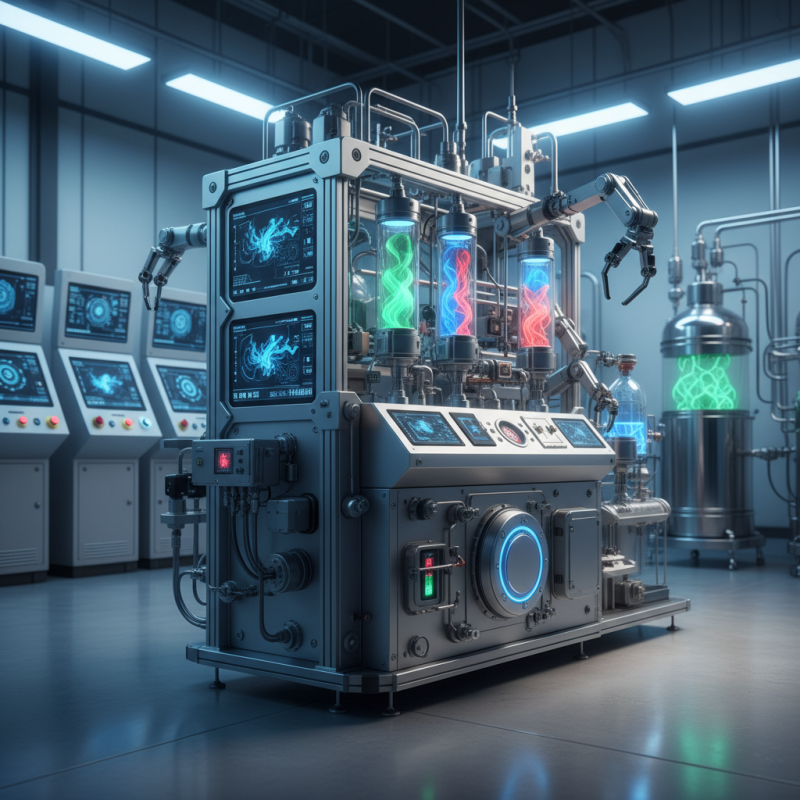
Understanding Dynamic Gas Distribution Instruments and Their Functionality
Dynamic gas distribution instruments play a crucial role in various industries. They provide real-time data that helps optimize gas flow and manage resources efficiently. According to a report by Research and Markets, the dynamic gas distribution market is expected to grow significantly, driven by advancements in technology and the need for safe gas management. Accuracy is key; even minor discrepancies in gas distribution can lead to major safety issues.
These instruments monitor the gas flow and pressure dynamically, ensuring prompt adjustments. A study by the Gas Technology Institute highlighted that using dynamic instruments can improve safety by 30% in high-risk environments. They also enhance operational efficiency, which can reduce costs over time. Regular calibration and maintenance are essential to ensure accuracy. Neglecting this can lead to serious flaws in measurement.
However, it's vital to remain aware of potential challenges. For instance, environmental factors may affect instrument performance. Regular training for staff on how to use these devices is also necessary. Investing in continuous education aims to minimize human error, which can compromise data integrity. Emphasizing these details can significantly enhance your gas distribution strategy.
Key Benefits of Using Dynamic Gas Distribution Instruments in Various Applications
Dynamic gas distribution instruments offer key advantages across a variety of applications. These instruments provide precise measurements that enhance accuracy in gas analysis. Their versatility allows use in environments like laboratories, manufacturing plants, and research facilities. Professionals appreciate their ability to adapt to different gas types, ensuring reliability.
One significant benefit is real-time data collection. Users receive instant results, promoting better decision-making. This immediacy is crucial in fields like environmental monitoring and chemical processing. Moreover, the compact design facilitates easy installation, reducing workspace clutter. However, monitoring calibration is vital for maintaining accuracy.
While dynamic gas distribution instruments excel, challenges exist. User training is essential; improper handling may lead to errors. Regular maintenance can be time-consuming but is necessary. As technology advances, staying informed about updates is critical for optimal performance. Embracing these instruments can transform gas management strategies, enhancing efficiency and safety in diverse industries.
Factors to Consider When Choosing a Dynamic Gas Distribution Instrument
When selecting a dynamic gas distribution instrument, several factors come into play. Evaluating your specific needs is crucial. Understand the applications you will use the instrument for. Will it be for research, industrial use, or safety monitoring? Each application has different requirements. Consider the instrument's measurement precision. A higher precision can significantly affect your results.
Another aspect to ponder is the instrument’s calibration features. Regular calibration can ensure reliability. Instruments that allow easy calibration adjustments save time and effort. Look for user-friendly interfaces. This simplicity can make operations smoother and reduce training time.
Don’t overlook maintenance needs. Some instruments demand frequent servicing, while others are more robust. Assess your team’s capability for troubleshooting and repairs. Think about future needs as well. An instrument that adapts to evolving technology can be beneficial. Balancing all these factors requires careful thought and reflection.
Comparing Dynamic Gas Distribution Instruments with Traditional Alternatives
Dynamic gas distribution instruments offer significant advantages over traditional options. These instruments provide precise control over gas flow, ensuring accuracy and efficiency. Traditional alternatives often struggle with variable conditions. Fluctuations in temperature or pressure can lead to inconsistent results. In contrast, dynamic instruments adjust automatically, delivering reliable performance.
The materials used in dynamic instruments enhance durability. Unlike some traditional models, they resist corrosion and wear. This longevity reduces replacement costs over time. However, it's essential to consider the complexity of dynamic systems. They may require specialized training for effective operation. Users need to invest time in understanding these instruments to maximize their benefits.
In many settings, the initial cost of dynamic instruments might deter some users. Traditional solutions typically appear more budget-friendly upfront. Yet, hidden costs often emerge. Frequent maintenance and possible downtime can accumulate expenses. Thus, evaluating the total cost of ownership is crucial. Users must reflect on their long-term needs, ensuring the choice aligns with operational goals.
Comparison of Dynamic Gas Distribution Instruments vs. Traditional Alternatives
Common Industries and Scenarios for Implementing Dynamic Gas Distribution Solutions
Dynamic gas distribution instruments find extensive application in various industries. In healthcare, they ensure precise gas delivery in hospitals. Medical facilities depend on accurate oxygen and anesthetic gas distribution. Improper gas flow can lead to serious patient risks. Maintenance and regular calibration are critical to success in this setting.
The manufacturing sector also benefits from dynamic gas distribution. Chemical plants utilize these systems for safe and efficient gas management. Accurate measurements prevent leaks and reduce environmental impact. Training staff is vital for effective operation. Challenges include adapting to fluctuating production demands.
In the automotive industry, dynamic gas distribution is essential for testing exhaust systems. It provides real-time data during emissions testing. However, variability in gas composition can affect results. Continuous monitoring and adaptation are necessary for reliability. Each application of dynamic gas solutions highlights the need for precise control and expertise in implementation.