What is a Hair Pin Machine and How Does it Work?
The Hair Pin Machine is an innovative device designed for efficient production. This machine specializes in crafting hair pins, which are essential in the fashion and beauty industry. Understanding its operation will help you appreciate the intricacies involved in manufacturing these small but significant items.
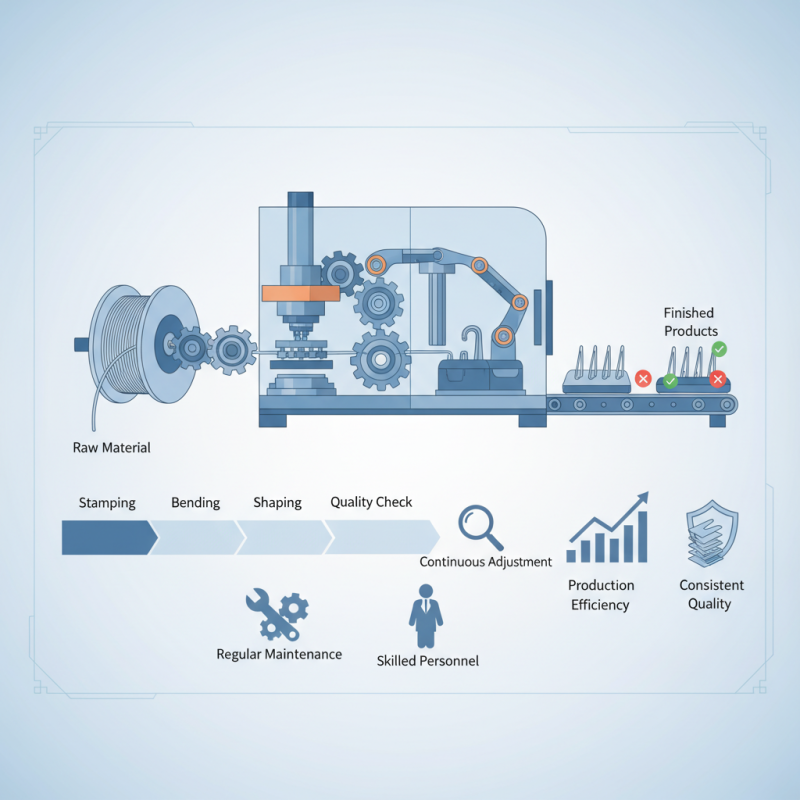
A Hair Pin Machine operates by converting raw materials into shaped products. It utilizes various techniques, such as stamping and bending, to shape the hair pins. The precision of this machine ensures a uniform design, contributing to its reliability. However, it's important to recognize that not all products meet quality standards initially. Continuous adjustments are often needed to enhance performance.
While the Hair Pin Machine showcases remarkable technology, there are challenges. Issues with material quality can impact production efficiency. Moreover, regular maintenance is crucial to prevent operational disruptions. This highlights the need for skilled personnel who understand the nuances of machine operation. Through their expertise, manufacturers can ensure consistent quality in hair pin production.
What is a Hair Pin Machine?
A hair pin machine is a specialized tool used in the manufacturing of hairpins. This equipment automates the production process, ensuring consistency and reducing manual labor. Hairpins are small yet essential accessories for hairstyling, and their production requires precision. The machine shapes wire into the desired form, typically using steel or other sturdy materials.
The operation of a hair pin machine involves several steps. First, a roll of wire feeds into the machine. The machine cuts, bends, and shapes the wire into hairpin forms. Operators must monitor the process closely, as small errors can lead to defective products. Each hairpin is usually tested for strength and flexibility after production. This attention to detail is crucial for ensuring the product's efficiency in hairstyling.
In practice, manufacturers may face challenges. Sometimes, the machinery has trouble with different wire diameters or materials. Adjustments may be necessary to maintain quality. These factors require operators to possess troubleshooting skills. Over time, experience with the machine can improve efficiency and product quality. Thus, a deep understanding of both the machine's functions and the materials is vital for successful operation.
The Basic Components of a Hair Pin Machine
A hairpin machine is a specialized tool designed for manufacturing hairpins efficiently. Understanding its basic components is crucial for grasping its operation. A hairpin machine typically consists of a wire feeding system, a bending mechanism, and a cutting unit. Each part plays a vital role in the production process.
The wire feeding system delivers raw wire to the machine. This component needs to function smoothly to ensure
consistent production quality. The bending mechanism shapes the wire into the desired hairpin form. This part often requires fine-tuning for precision. Lastly, the cutting unit trims the wire to specific lengths.
Mistakes in cutting can lead to wasted material and increased costs.
Operating a hairpin machine demands expertise. Adjusting the settings for different wire thicknesses can be challenging. Inconsistent wire feed or improper bending might produce defective hairpins. Frequent quality checks are essential to maintain high standards. While the machine simplifies production, human oversight remains crucial in the process.
How Hair Pin Machines Operate: A Step-by-Step Process
Hair pin machines are specialized devices used primarily in the production of hairpins. Their operation is quite fascinating and involves several distinct steps. Initially, raw materials, usually metal wires, are loaded into the machine. This wire must meet specific thickness standards to ensure the final product's durability. Operators need to monitor this process closely.
Once the raw material is in place, the machine begins the shaping process. It uses precise bending mechanisms that can create various designs. Operators often face challenges during this phase. Misalignments can lead to faulty hairpins, requiring constant adjustments and even retraining to improve skills. Attention to detail is critical here.
After shaping, the hairpins move to the cutting station. Here, machines cut the pins to the desired length. Quality checks are essential at this stage to ensure uniformity. If there are inconsistencies, they may lead to non-compliant products. Operators may need to reconsider their methods when errors occur. Lastly, the finished hairpins are collected and packaged, ready for distribution. This entire process highlights the complexity and precision involved in hairpin manufacturing.
Types of Hair Pin Machines and Their Applications
Hair pin machines are specialized equipment designed to produce hair pins efficiently. These machines come in various types, each tailored for specific applications in the beauty and fashion industries. Understanding the different kinds helps manufacturers choose the right equipment for their production needs.
One popular type is the automatic hair pin machine. These machines can produce thousands of hair pins per hour, significantly increasing production capacity. According to recent industry reports, automatic machines account for over 60% of the hair pin production market due to their efficiency. They also minimize labor costs and reduce the risk of human error. However, it’s worth noting that the initial investment for such machines can be high, leading smaller businesses to hesitate.
Manual hair pin machines, though less common, still hold a niche market. They require skilled operators and provide more customization options. This type allows for flexibility in designs and production scales. Nonetheless, the productivity rate is comparatively low. As companies venture into this space, they must carefully consider their target market and production goals. Balancing cost and capabilities remains a challenge in the hair pin manufacturing landscape.
Benefits of Using a Hair Pin Machine in Manufacturing
A hair pin machine is a specialized tool used in manufacturing hair pins with precision. This machine automates the process, making it faster and more efficient. One of the main benefits of using a hair pin machine is increased production speed. Manufacturers can produce thousands of hair pins in a fraction of the time compared to manual methods. This increase in efficiency can lead to cost savings and higher profits.
Quality is another significant benefit. A hair pin machine ensures consistent shape and size across all products. This uniformity is crucial for customer satisfaction. Moreover, the automation reduces human error, leading to fewer defects. It can be challenging to achieve the same reliability with manual production.
**Tips**: Regular maintenance of the machine is essential. This practice can prevent breakdowns and ensure long-term performance. Operators should also receive proper training. Educating staff about machine operation improves safety and production quality.
While hair pin machines bring numerous advantages, they may require a significant initial investment. Businesses must weigh these costs against potential profits carefully. Adapting to a machine-driven process can also be daunting for some workers. Embracing change, however, often leads to broader opportunities in manufacturing.
Hair Pin Machine Production Efficiency
This chart illustrates the production efficiency of a hair pin machine over a six-month period, highlighting the number of units produced each month. As seen, there is a notable increase in production from January to May, showcasing the machine's efficiency and effectiveness in a manufacturing setting.