What is Hose Fittings and How to Choose Them?
Hose fittings are critical components in various industries, including construction, agriculture, and manufacturing. According to a recent market research report by Grand View Research, the global hose fittings market is projected to reach USD 2.62 billion by 2025, growing at a CAGR of 5.5%. This growth highlights the increasing demand for efficient and reliable fluid transfer systems.
Choosing the right hose fittings ensures safety and efficiency. Poorly selected fittings can lead to leaks, inefficiencies, and costly downtime. Many professionals overlook the importance of proper sizing and material selection for their hose fittings. In fact, a survey by the Fluid Power Association revealed that almost 30% of hose failures are attributed to compatibility issues with fittings.
Understanding the specifics of hose fittings can help mitigate these risks. Various factors must be considered, such as pressure rating, material compatibility, and application requirements. Professionals need to reflect on their choices frequently, as using subpar fittings can have significant repercussions on operational efficiency and safety. As industries evolve, the need for reliable hose fittings continues to grow, making informed decisions essential.
What Are Hose Fittings and Their Types?
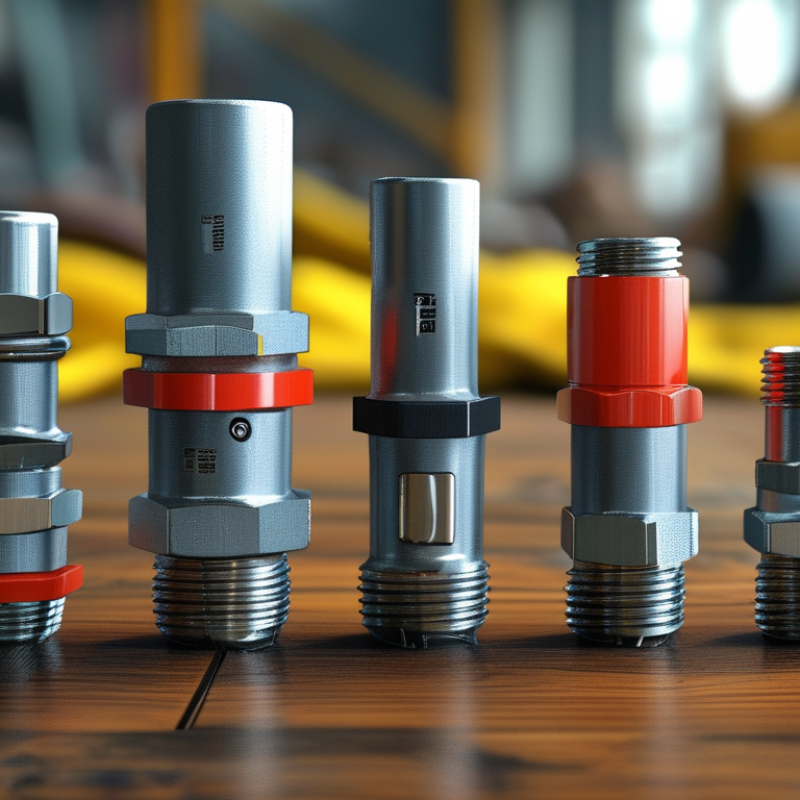
Hose fittings play a crucial role in fluid transfer systems. These components connect hoses to pipes, pumps, or other hoses. Choosing the right fittings can significantly affect the efficiency and safety of your operations. There are several types of hose fittings, each designed for specific applications.
One common type is the threaded fitting. These fittings screw onto the hose and create a tight seal. They are ideal for high-pressure environments. Another type is the cam and groove fitting. This design allows for quick connections and disconnections, often used in agriculture and construction. To ensure reliability, consider material types. Options include brass, stainless steel, and plastic. Each material has its strengths and weaknesses.
While selecting hose fittings, it's essential to consider the environment. For instance, corrosive substances may require more durable materials. Size plays a critical role too. An improperly sized fitting may lead to leaks or fitting failures. Test the fittings under real-world conditions whenever possible. Always verify that the chosen fittings meet your specific needs.
Understanding the Material Composition of Hose Fittings
Understanding the material composition of hose fittings is crucial for ensuring safety and efficiency in various applications. Common materials include brass, stainless steel, and plastic. Each material offers distinct advantages and potential drawbacks. For instance, brass fittings resist corrosion but can be heavy. In contrast, plastic fittings are lightweight but may not withstand extreme temperatures.
When choosing hose fittings, consider your specific needs. High-pressure applications often require stainless steel for its strength and durability. Meanwhile, lightweight plastic fittings may suffice for low-pressure uses. It is essential to reflect on the appropriate material for the conditions your hose will face. Evaluate environmental factors like temperature and exposure to chemicals.
In addition to material, the fitting design is important. Thread types and connection methods can vary significantly. Mismatched fittings may lead to leaks or failures. Take the time to match the fittings accurately to your hoses. Research and, if possible, consult industry professionals about the best options for your application. Small details can lead to larger issues if overlooked.
What is Hose Fittings and How to Choose Them? - Understanding the Material Composition of Hose Fittings
| Material |
Temperature Resistance (°C) |
Pressure Resistance (Bar) |
Corrosion Resistance |
Typical Applications |
| Brass |
-40 to 120 |
20 |
Good |
Water, Air |
| Stainless Steel |
-70 to 500 |
60 |
Excellent |
Chemicals, Food Processing |
| Aluminum |
-50 to 120 |
15 |
Moderate |
Air, Lightweight Applications |
| Plastic (PVC) |
-10 to 60 |
10 |
Poor |
Water Supply, Irrigation |
| Bronze |
-50 to 200 |
30 |
Good |
Marine, High-Stress Uses |
Key Factors to Consider When Choosing Hose Fittings
When selecting hose fittings, several key factors should be taken into account. Material is crucial; different environments require adaptable materials. For instance, brass is suitable for many applications but may corrode in specific fluids.
It's wise to consider the compatibility of the fitting with the fluids being transported. Metal fittings typically handle higher pressures, while plastic can become brittle in extreme situations.
The size and thread type of hose fittings also play significant roles. Mismatched sizes can lead to leaks or system failures. The compatibility of threads is another area where attention is needed. Finding a perfect fit may sometimes require adjustments.
Visual inspections are essential, yet they often miss hidden problems. Understanding the flow rates and the purpose of the hose can guide better choices.
Pressure ratings should never be overlooked. Fittings rated for higher pressure can prevent catastrophic failures. Many users often find themselves confused about specific ratings. Re-evaluating requirements regularly can help avoid costly mistakes.
Staying informed about the latest industry practices can also enhance decision-making, ensuring that the right hose fittings are chosen effectively.
Common Applications of Hose Fittings in Various Industries
Hose fittings play a crucial role in various industries, including agriculture, construction, and manufacturing. In agriculture, they connect irrigation systems, helping deliver water to crops efficiently. According to industry reports, proper fittings can reduce water wastage by up to 30%. This is vital as the global population increases demand for food production.
In construction, hose fittings are essential for transferring materials. They connect hoses to pumps, allowing for the safe movement of water, concrete, and other liquids. An estimated 70% of construction downtime is due to equipment failure. Using quality fittings can prevent many of these issues. Regular checks for wear and tear can help maintain efficiency and safety on job sites.
Manufacturing relies heavily on hose fittings for fluid transfer in processes like cooling and lubrication. Reports indicate that leaks can cost factories thousands in lost productivity. Choosing the right fittings can minimize these risks and enhance overall performance. The selection process should consider factors like pressure rating and material compatibility. Understanding these elements is vital to optimize operations and reduce costs.
Maintenance Tips for Extending the Life of Hose Fittings
Hose fittings are essential components in fluid transfer systems. Proper maintenance is crucial for their longevity. Regular inspection of fittings helps identify wear and tear. Look for signs of corrosion or cracks. Even small issues can lead to major failures. A proactive approach can save both time and money.
Cleaning fittings regularly prevents buildup. Dirt and debris can cause leaks and malfunctions. Use mild soap and water for cleaning. Rinse thoroughly to avoid residue. Additionally, ensure that fittings are properly lubricated. Use appropriate grease to facilitate smooth connections. This simple step enhances performance.
Finally, remember the importance of storage. Store hoses and fittings in a cool, dry place. Avoid exposure to extreme temperatures and direct sunlight. Improper storage can lead to damage over time. Keep fittings organized to make inspection easier. Reflect on your maintenance routine. Regular attention can greatly extend the life of your hose fittings.
Hose Fittings Usage Statistics
This bar chart displays the percentage of usage for various types of hose fittings. PVC fittings lead the market followed by stainless steel and brass, while aluminum and composite fittings hold smaller shares. Understanding the distribution of hose fittings can help in making informed choices regarding their maintenance and application.