Top 10 Photovoltaic Connectors You Need to Know About?
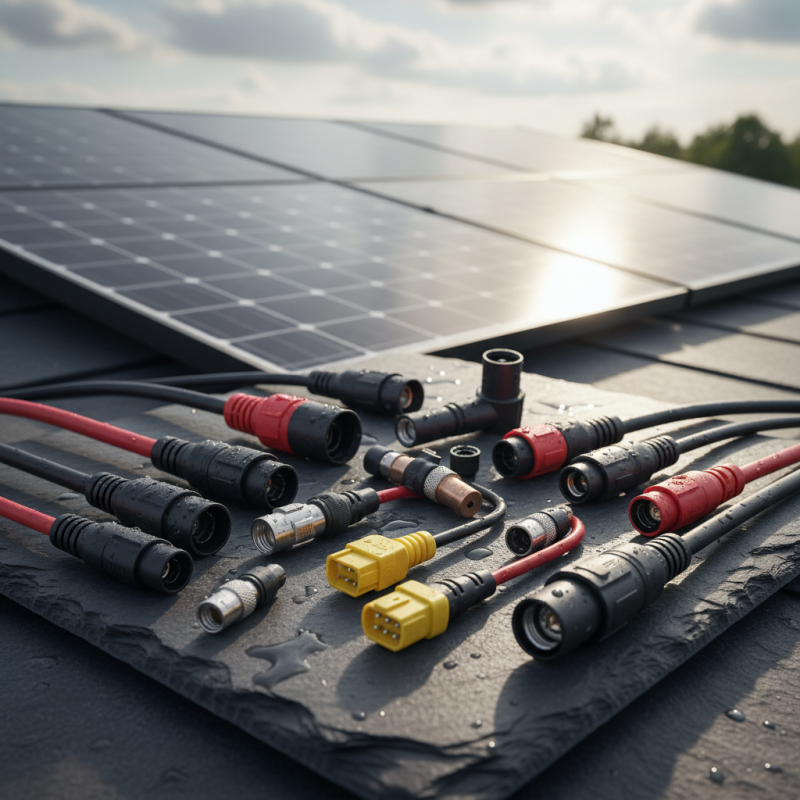
Photovoltaic connectors play a vital role in solar energy systems. These connectors are essential for linking solar panels, inverters, and batteries. With the rise of solar technology, understanding the types of photovoltaic connectors is crucial.
Choosing the right photovoltaic connectors can impact the efficiency and safety of solar installations. Common types include MC4, XT60, and others. Each connector serves a specific purpose, reflecting different needs in different settings. However, many overlook the importance of selecting adequate connectors.
Inadequate connector choices can lead to performance issues and safety hazards. It's important to consider factors like weather resistance, ease of installation, and compatibility. Dive into the top 10 photovoltaic connectors and explore their unique features. Understanding these options can help you make informed decisions in your solar projects.
Understanding Photovoltaic Connectors and Their Importance
Photovoltaic connectors are crucial in solar energy systems. They ensure reliable connections between solar panels and other components. A secure connection maintains efficiency and safety, preventing energy loss. The variety of connectors reflects different applications and designs. Understanding these options helps in selecting the right one for your system.
Tips: Always check the compatibility of connectors with your solar setup. Mismatched designs can lead to issues. Regular inspections can prevent failures. It’s essential to note that poor connections may cause overheating or even fires.
Choosing the right connector involves evaluating its specifications. Consider the voltage, current rating, and environmental ratings. Not all connectors are suitable for every situation. Some might look appealing but can fail under stress. Be mindful of these factors to ensure long-term performance.
Types of Photovoltaic Connectors: An Overview
Photovoltaic connectors play a crucial role in solar systems. They ensure reliable connections, promoting efficiency and safety. Understanding the types of connectors is essential for both new installers and seasoned professionals.
MC4 connectors are the most commonly used types. They are known for their durability and ease of use. However, installation can be tricky. A misaligned connection may lead to performance issues. Users should double-check their work.
Tip: Always ensure connectors are clean before installation. Dirt can hinder efficiency. Another option is the TT-30 connectors. These may be less common but offer different benefits. They are often used in specific setups. Understanding when to use each type is vital.
Other connector types include the Amphenol and Multi-Contact styles. Each has unique advantages. Unfortunately, many users overlook compatibility. This can lead to frustrating failures. Never assume all connectors will fit seamlessly.
Tip: Consult manufacturer specifications for compatibility. This simple step can save time and effort. Lastly, connectors like the H4 are becoming more popular. They offer a compact design but may require specialized tools for connection. Adapting to various types can ensure project success.
Key Features to Consider in Selecting Photovoltaic Connectors
When selecting photovoltaic connectors, several key features come into play. The material quality is vital. Connectors made from durable materials withstand harsh weather. They should also have high insulation ratings. This ensures safety and longevity in varied conditions.
Temperature tolerance is another essential feature. A good connector handles extreme temperatures without degradation. This is particularly important for outdoor installations. Verify the connector's ratings to avoid potential failures.
Tips: Always confirm compatibility. Mismatched connectors can lead to inefficiencies. Additionally, check for certifications. Approved connectors meet safety standards and provide reliability.
Another factor is ease of installation. Choose connectors that simplify setup. A complicated installation can lead to errors. Make sure to consider the size and thickness of cables too. The right fit is crucial for optimal performance.
Top 10 Photovoltaic Connectors - Key Features Comparison
Top 10 Photovoltaic Connectors for Solar Energy Systems
Photovoltaic connectors play a crucial role in solar energy systems. They ensure reliable connections between solar panels and other components. Choosing the right connectors can impact efficiency and reliability.
When selecting connectors, consider the environmental conditions. They should withstand extreme temperatures and moisture. Connectors need to be durable to last for years. Some connectors may not hold up well under heavy usage. It's essential to evaluate your specific situation.
Another point to reflect on is compatibility. Not all connectors work with every system. Some might have design flaws that could lead to issues down the line. Always ensure you’re choosing connectors that fit your system well. This can prevent costly failures in the future. Each choice matters when building a robust solar energy system.
Installation and Maintenance Tips for Photovoltaic Connectors
When installing photovoltaic connectors, proper attention to detail is crucial. Ensure you choose the right type of connectors for your project. Match connectors with the wires and solar panels. This simple step can prevent issues later.
During installation, cleanliness matters. Dust or grease can affect the connection quality. Take time to clean the surfaces before making connections. A dirty connector may lead to inefficient energy transfer. Make it a habit to check for dirt regularly.
Don’t forget about maintenance. Inspect connectors for signs of wear or damage. Look for corrosion or loose fittings. These issues can lead to larger problems. If a connector is damaged, replace it immediately. Simple checks can save time and money in the long run.