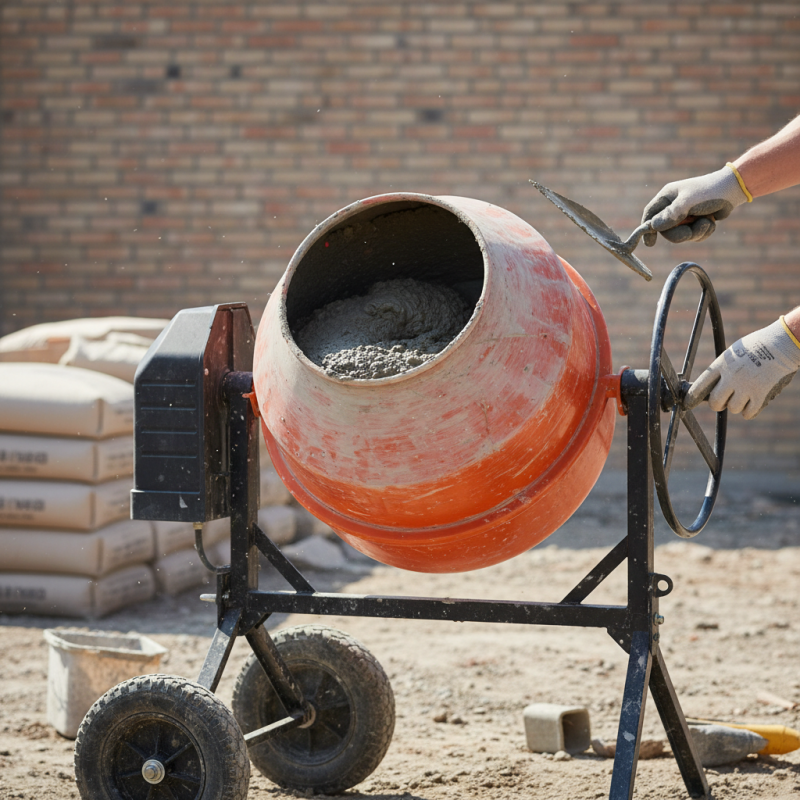
Top Small Cement Mixer Concrete Buying Guide for Your Projects?
When planning a construction project, choosing the right equipment is crucial. A Small Cement Mixer Concrete can streamline your work. It balances efficiency and compactness perfectly. However, navigating through various options can be challenging.
Different projects require different mixers. A Small Cement Mixer Concrete may seem ideal for small tasks, but it also needs to be powerful enough for your needs. Understanding your specific requirements can make a difference. Look for features that fit your project type.
You might find that not all mixers meet your expectations. Reading reviews and comparing models is essential. Investing time into your selection may prevent future frustrations. Remember, a small cement mixer can be a great tool, but it’s not a one-size-fits-all solution.
Understanding the Purpose and Benefits of Small Cement Mixers
Small cement mixers are essential tools for various construction projects. They streamline the mixing process, leading to better consistency in concrete quality. These mixers are especially advantageous for smaller tasks, like home repairs or garden projects. They save time and reduce labor costs compared to hand mixing.
When selecting a small cement mixer, consider its mixing capacity. A 2-cubic-foot model works well for minor jobs. Bigger projects may require up to 5 cubic feet. Always check the motor power. A robust motor ensures efficiency and durability. While electric models are easier to use, gas-powered ones offer more mobility for outdoor projects.
Tips: Always wear protective gear while operating a cement mixer. Dust can irritate your lungs and eyes. Make sure to clean the mixer after each use. Caked concrete can affect performance. If your mixer seems noisy, it may need servicing. Regular maintenance extends its lifespan and keeps it running smoothly.
Key Features to Look for When Choosing a Small Cement Mixer
When choosing a small cement mixer, it's crucial to consider several key features. The drum capacity is one of those elements. A mixer with a smaller drum, often around 2 to 3 cubic feet, is suitable for small projects. This size is easy to maneuver, allowing you to mix concrete efficiently without wastage. The material of the drum also matters. Steel drums are durable, while plastic ones are lighter and resistant to rust.
Another important feature is the mixer’s motor power. A robust motor will ensure smooth operation. Look for models with at least 1/3 horsepower for better performance. Portability is essential, too. Many mixers include wheels and handles. These features assist in moving the mixer easily to your worksite.
Adjustable mixing speeds can be a game-changer. This allows for better consistency in your mixes. Sometimes, lower speed is beneficial for heavy materials. However, not all mixers provide this flexibility. It's worth pondering whether a single speed will meet your needs. Additionally, check for safety features. A secure lid and stable base can prevent accidents. These elements foster a safer work environment. Choosing the right cement mixer can lead to better project outcomes, but it's essential to weigh these features carefully.
Different Types of Small Cement Mixers and Their Applications
When it comes to small cement mixers, understanding the different types can make your projects easier. Portable cement mixers are popular for their mobility. They are great for small jobs, such as mixing concrete for sidewalks and driveways. These mixers often have a smaller drum, making them easy to transport yet effective for small batches.
Another type is the drum mixer. This kind is suitable for larger projects that require a consistent mix. Drum mixers can handle a greater volume of materials, making them ideal for DIY projects or renovations. However, they can be a bit heavy, and users must ensure they have enough space for maneuvering. For users who buy these for the first time, finding the right balance between size and capacity is crucial.
Tip: Always check the mixer’s specifications before purchasing. It can save you from overloading it later. Understand your project needs first; this avoids unnecessary expenses or miscalculations. Using incorrect equipment may result in poor mixing and wasted materials. Keep these details in mind for a successful project.
Top Brands and Models for Small Cement Mixers on the Market
When choosing a small cement mixer, understanding the top brands and models is crucial. Market research shows that these tools are essential for DIY projects, small construction jobs, and landscaping tasks. With an estimated growth rate of 4% annually in the compact mixer market, consumers have many options. Various designs accommodate diverse project needs.
Some popular models emphasize versatility. They can mix concrete efficiently, ensuring a consistent blend every time. Industry reports suggest that smaller models often hold between 2 to 3 cubic feet of concrete. This capacity is ideal for patios, walkways, and small repairs. Users report that these mixers save time, allowing them to complete jobs faster than mixing by hand.
Durability is another critical factor. Many mixers incorporate high-quality materials designed to withstand outdoor conditions. However, it's essential to consider that not all models perform equally well under heavy use. Some consumers have experienced challenges with certain brands, leading to a reevaluation of their choices. Therefore, checking reviews and reliability ratings can guide buyers in selecting the right mixer for their needs.
Essential Maintenance Tips for Longevity of Your Cement Mixer
Maintaining your cement mixer is crucial for its longevity and effectiveness. Regular cleaning is essential. After each use, remove leftover concrete to prevent it from hardening inside. Additionally, inspect the mixer for any wear or damage. Small cracks or loose parts can lead to bigger problems down the line. Pay attention to the drum and blades; these components bear the brunt of the workload.
Lubrication is key to smooth operation. Use a high-quality grease on all moving parts at least once a month. This reduces friction and prevents wear. Always check the electrical components to ensure they function correctly. Faulty wiring can lead to hazardous situations. Remember, neglecting these maintenance tips can lead to costly repairs and downtime.
Keep the mixer stored properly when not in use. A dry, sheltered place protects it from the elements. If left outside, rain and moisture can cause rust. Taking time for proper storage and maintenance may feel tedious, yet these steps enhance the durability of your equipment. Regular attention will save you time and money in the future.