Top 10 Stent Coating Machines for Global Buyers 2026?
In the rapidly evolving field of cardiovascular healthcare, the importance of stent coating technology cannot be overstated. The global stent market is projected to reach USD 8.5 billion by 2026, according to market analysts. A key component driving this growth is the Stent Coating Machine. These machines are crucial for the production of drug-eluting stents, which enhance patient outcomes by reducing restenosis rates.
However, selecting the right Stent Coating Machine requires careful consideration. Variations in coating parameters can significantly impact the performance of stents, leading to inconsistencies. Recent studies indicate that improper coating processes can result in suboptimal drug release profiles. Despite advances in technology, several manufacturers struggle with these challenges, revealing an area for improvement.
As buyers look to future-proof their investments, understanding the capabilities of different machines is essential. The top 10 Stent Coating Machines of 2026 will reflect a blend of innovation, efficiency, and reliability. Buyers must stay informed to navigate this complex landscape effectively and make educated purchasing decisions.
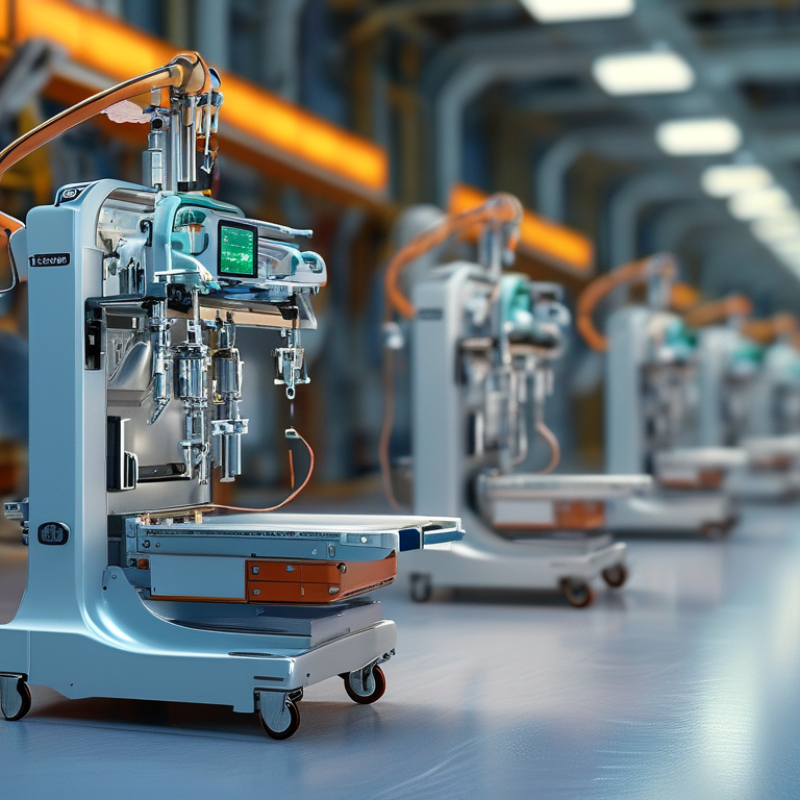
Top Trends in Stent Coating Technology for 2026
The landscape of stent coating technology is evolving rapidly. By 2026, we can expect several key trends to shape the industry. The focus on biocompatibility is becoming crucial. Manufacturers are investing in new materials that reduce inflammation and improve patient outcomes. Innovations in drug-eluting coatings are particularly noteworthy. These advancements are designed to decrease the rate of restenosis effectively.
Moreover, the implementation of nanotechnology is gaining traction. Nanoparticles can enhance drug delivery systems. This change may lead to more targeted therapies, improving the efficacy of stents. The integration of smart technology is also on the rise. Sensors embedded in stents can monitor patient conditions in real-time, providing valuable data.
Despite these advances, challenges remain. The cost of new technologies can be prohibitive. Many manufacturers may struggle to keep pace with regulations that vary by region. There is a need for ongoing research to address these complexities. Continuous innovation is essential, but so is a focus on practical application. Balancing cutting-edge technology with reliable, cost-effective solutions will determine success in the next few years. As we move towards 2026, industry players must reflect on these evolving needs.
Top 10 Stent Coating Machines for Global Buyers 2026
| Rank | Machine Type | Coating Technology | Production Capacity (units/hour) | Key Features |
| 1 | Automatic Coater | Polymer Coating | 200 | High-speed operation, user-friendly interface |
| 2 | Semi-Automatic Coater | Biodegradable Coatings | 150 | Cost-effective, versatile applications |
| 3 | Manual Coater | Nano Coating | 100 | High precision, low volume production |
| 4 | Multi-Stage Coater | Dual Coating | 250 | Space-efficient, customizable settings |
| 5 | Robotic Coater | Laser Coating | 300 | High accuracy, reduced human error |
| 6 | Compact Coater | Ceramic Coating | 180 | Space-saving design, high throughput |
| 7 | Clean Room Coater | Hydrophilic Coating | 120 | Designed for sterile environments, easy maintenance |
| 8 | High-Volume Coater | Plasma Coating | 400 | Extreme durability, scalable production |
| 9 | Hybrid Coater | Multi-layer Coating | 220 | Flexible configurations, adjustable layer thickness |
| 10 | Smart Coater | Self-Adjusting Coating | 250 | AI-driven adjustments, real-time monitoring |
Key Features of Leading Stent Coating Machines in the Market
The demand for advanced stent coating machines is on the rise, driven by the increasing prevalence of cardiovascular diseases. Reports indicate that the global market for stent coating technology is expected to grow at a CAGR of 8% through 2026. Key features of leading machines often include precision coating capabilities, adjustable spray nozzles, and efficient drying systems. These features ensure uniform distribution of bioactive agents, which can dramatically improve stent performance and patient outcomes.
High-tech stent coating machines utilize sensors and automation to enhance efficiency. Research from industry analysts highlights that machines employing these technologies can reduce error rates by up to 30%. However, despite these advancements, manufacturers face challenges in maintaining consistent quality during mass production. Variability in material properties can lead to issues in stent functionality, which raises concerns regarding product reliability.
Furthermore, the growing emphasis on customizability is shaping machine design. Buyers seek machines that can easily switch between different coating materials and processes. This flexibility is crucial for meeting diverse customer needs in a competitive market. Yet, the complexity of integrating new technologies can lead to steep learning curves for operators. As innovations continue to evolve, it remains vital for manufacturers to invest in training and support for their users.
Comparative Analysis of Global Stent Coating Machine Manufacturers
The stent coating machine market is evolving rapidly. Various manufacturers offer different technologies and features. Understanding these variations is vital for global buyers. Some machines focus on precision, while others emphasize speed. This diversity can create confusion for potential users. A comprehensive analysis can help clarify choices.
Many manufacturers boast of advanced technologies. Features like automated processes and real-time monitoring are common. However, not all machines deliver consistent results. Reliability should be a key factor in decision-making. Buyers might find discrepancies in performance across different brands. It’s essential to evaluate user feedback and performance metrics thoroughly.
Regional differences also play a role in this market. Some areas prioritize cost-effectiveness, while others focus on cutting-edge technology. This can impact availability and service support. Understanding local market demands aids in making informed decisions. A careful evaluation of these factors is essential for successful procurement.
Market Insights: Demand and Supply Dynamics for Stent Coating Machines
As the demand for stent coating machines continues to evolve, market dynamics become increasingly important. Buyers need to understand both the current trends and future projections. The medical device industry is under constant pressure to innovate. Stent coating machines play a crucial role in improving the performance and safety of cardiovascular implants.
Understanding supply dynamics is also vital. Manufacturers face challenges in sourcing raw materials and maintaining quality control. Fluctuating prices can directly impact the cost of machines. This reality urges buyers to evaluate suppliers and their capabilities critically.
When considering options for stent coating machines, keep the following in mind. Ensure the supplier has a solid reputation in quality assurance. Reliable feedback from other users can aid in decision-making. Conducting thorough research on the technology used is essential. It might be beneficial to explore lesser-known manufacturers who could offer unique solutions. This market shift encourages diversity in choice, but with careful evaluation.
Regulatory Considerations Impacting Stent Coating Machine Selection
Selecting stent coating machines requires an understanding of various regulatory considerations. These machines are vital for producing medical devices used in interventional therapies. Compliance with regulations can influence the choice of materials and processes. Medical device manufacturers face strict oversight from regulatory bodies. This scrutiny ensures patient safety and device efficacy.
Testing protocols are a significant part of these regulations. Manufacturers must document and validate their coating processes. This includes understanding biocompatibility and mechanical properties of the stents. Adhering to these standards can be complex, requiring skilled personnel and efficient systems to ensure compliance.
Risk management is another critical aspect. Companies must assess potential hazards throughout the coating process. They should maintain documentation that demonstrates effective risk mitigation strategies. This involves continuous monitoring of production techniques. Feedback loops among teams can help identify areas for improvement and ensure adherence to regulatory expectations while enhancing product quality.