Top 10 Vertical Machining Centers for Global Buyers in 2026
As the global machining industry evolves, the demand for advanced manufacturing solutions intensifies. Vertical Machining Centers (VMCs) have become a cornerstone in precision engineering. According to a recent market report, the global VMC market is projected to reach $8.1 billion by 2026, driven by increased automation and efficiency in production processes.
Leading manufacturers are capitalizing on technological advancements. They integrate features such as innovative control systems and high-speed machining capabilities. This surge reflects the industry’s push for improved productivity. However, as VMC technology evolves, buyers face challenges in selecting the right machine. With numerous options available, understanding specifications and capabilities becomes essential.
These challenges require careful consideration. It’s vital for buyers to evaluate their unique production needs. An effective Vertical Machining Center can enhance operational efficiency. Yet, without thorough research and accurate data, making the right choice remains a daunting task. As we explore the top 10 VMCs for 2026, we aim to shed light on these complexities and provide insights for discerning buyers.
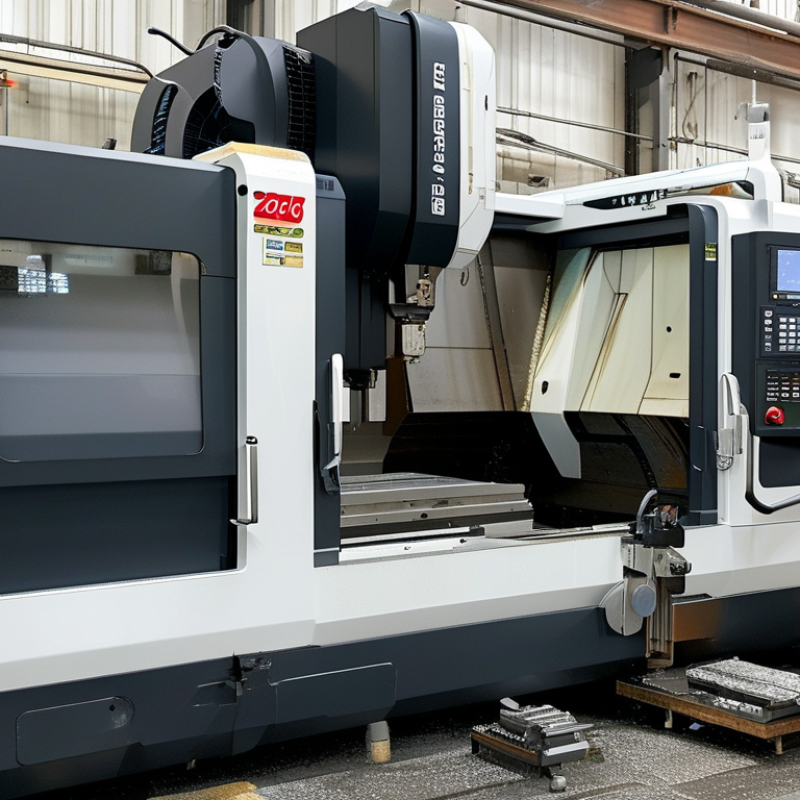
Overview of Vertical Machining Centers in 2026
Vertical Machining Centers (VMCs) have evolved significantly. In 2026, their importance in the manufacturing landscape will only grow. These centers are essential for precision part production. They combine advanced technology with a focus on efficiency. Buyers will face myriad options, each promising to enhance productivity.
Tips: When selecting a VMC, consider the materials you will be machining. Different machines excel with metals, plastics, or composites. It's crucial to match your needs with the machine's capabilities. Also, don't overlook the importance of after-sale support and servicing. A machine is only as good as its support network.
The integration of artificial intelligence and automation is notable in 2026. Manufacturers are keen to reduce human error. Processes are increasingly streamlined, allowing for higher precision. Yet, some challenges remain. Not all shops will have the budget for advanced features. Reflections on cost versus benefit must guide purchases. Prioritizing essential features can lead to wiser investments.
Top 10 Vertical Machining Centers for Global Buyers in 2026
This chart showcases the predicted market share percentage of the top 10 vertical machining centers based on their capabilities and features expected in 2026.
Key Features to Consider in Vertical Machining Centers
When exploring vertical machining centers for 2026, certain key features stand out. One important aspect is the spindle speed. A higher spindle speed typically enhances productivity. Look for centers that can reach at least 12,000 RPM, allowing for efficient metal removal. However, excessive speeds can lead to tool wear; find a balance that suits your material needs.
Another significant feature is the rigidity of the machine. A solid, vibration-resistant structure provides stability during operations. This factor greatly affects precision. Choose a center designed with heavy-duty cast iron bases. This choice often ensures accuracy in machining processes, even under stressful conditions. However, heavy machines can be less portable and require more floor space.
Lastly, consider the user interface and software integration. An intuitive interface allows for quicker adjustments and easy programming. Additionally, seamless integration with CAD/CAM software can streamline operations. Despite advancements, some operators may feel overwhelmed by complex systems. Training and support are critical for maximizing efficiency. Look for options that provide comprehensive training resources and customer support.
Top 10 Vertical Machining Centers: Specifications and Capabilities
When selecting vertical machining centers, specifications and capabilities are crucial. These machines boast various features, tailored to enhance productivity and precision. Spindle speed, for example, is essential. A higher RPM allows for quicker cuts, reducing downtime. Look for machines with at least 12,000 RPM for general machining tasks.
Another important specification is the travel distance. Longer travel limits allow for larger workpieces. However, it can also increase setup time. Operators must balance size with efficiency. Tool capacity also plays a role. A machine with a larger tool changer reduces the need for manual intervention, yet adds complexity to programming.
Recent trends show a move toward more automated systems. These offer advanced capabilities but may require additional training. The software needs regular updates to remain functional. Users must weigh the benefits against the learning curve. Continuous improvement in these centers is essential. However, not all features suit every user’s needs. It’s vital to assess individual requirements before committing to a purchase.
Market Trends and Innovations in Vertical Machining Technology
In 2026, vertical machining technology will continue evolving. The market is seeing innovative designs aimed at enhancing productivity and accuracy. Manufacturers are focusing on automation and integration with smart systems. This shift helps optimize machining processes and reduce downtime.
One key trend is the use of advanced materials in machining centers. These materials can withstand higher temperatures and stress, leading to better performance. Additionally, new cooling techniques are emerging. They allow for more efficient heat management, which is vital for precision machining.
Tip: Regular maintenance is crucial. Keeping your machining center in top shape ensures longevity and optimal performance.
Another innovation involves software enhancements. Improved software can analyze production data in real-time. This leads to better decision-making and process adjustments on the fly. However, the integration of new technologies can be challenging. Companies must be willing to invest time and resources into training and adapting their operations.
Tip: Consider investing in
employee training programs. Skilled operators are essential for leveraging new machining technologies effectively.
The development of eco-friendly machining methods is also a notable trend. Companies are prioritizing sustainability in their operations. This includes reducing waste and using energy-efficient processes. Adopting these practices can be difficult but ultimately rewarding.
Factors Influencing Global Buying Decisions for Machining Centers
When considering vertical machining centers, several factors sway global buying decisions. A key aspect is the total cost of ownership. This includes upfront costs, maintenance, and operational efficiency. According to a report from the International Federation of Robotics, companies can save up to 30% on operational costs by choosing the right machining center. These savings can heavily influence purchasing choices.
Another important factor is the technological advancement of machining centers. Features like automation and artificial intelligence integration are becoming essential. Recent studies show that 70% of manufacturers prioritize advanced technology in their purchasing criteria. This trend demonstrates a shift towards smarter equipment, allowing for enhanced precision and reduced downtime. However, some brands still lag in adopting these features, potentially affecting their competitiveness.
Additionally, buyer preferences are influenced by after-sales service and support. Research indicates that 60% of companies value robust training and support systems. While many vendors claim to provide excellent service, actual outcomes vary. Buyers often report gaps in training, leading to operational hiccups. Therefore, potential buyers should critically assess these factors when making decisions.