Why Choose a Vertical Expander Machine for Your Business?
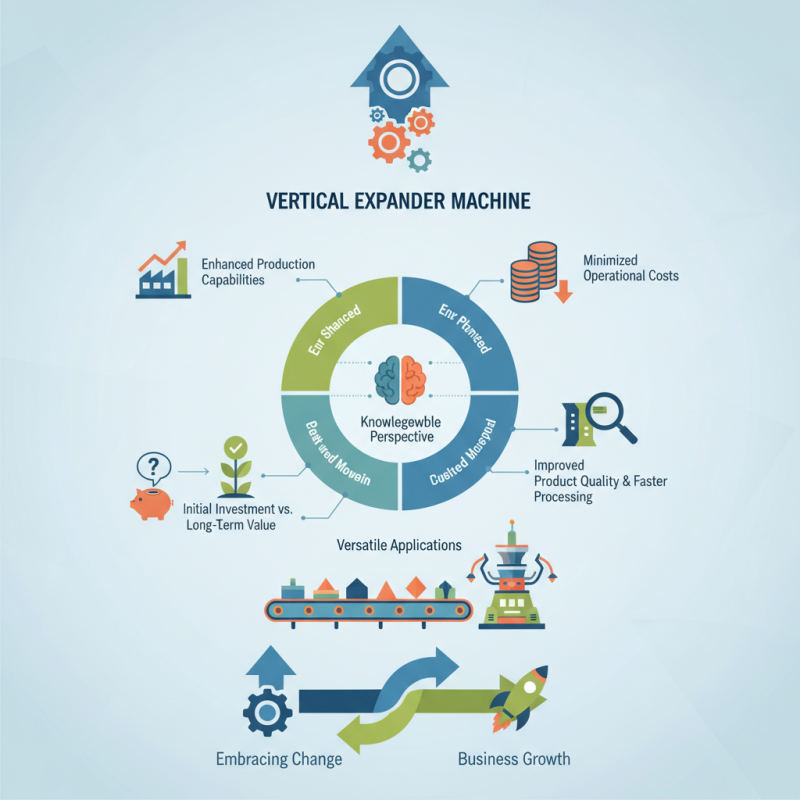
In today's competitive market, choosing the right machinery is crucial for success. The Vertical Expander Machine stands out for its innovative design and efficiency. This equipment allows businesses to enhance production capabilities while minimizing operational costs. Many industries benefit from its unique features, such as improved product quality and faster processing times.
Investing in a Vertical Expander Machine can lead to significant returns. Its versatile nature accommodates various materials, making it suitable for multiple applications. However, some manufacturers hesitate. They question whether the initial investment justifies the benefits. This hesitation can stem from a lack of understanding of the machine's long-term value.
A knowledgeable perspective is essential when considering such an investment. Each machine has its own strengths and weaknesses. A vertical expander's efficiency depends on the specific needs of your business. Therefore, evaluating your production requirements is vital. Embracing change often involves risk, but the potential rewards are worth exploring. The right decision can drive your business forward.
Benefits of Implementing a Vertical Expander Machine in Production
Implementing a vertical expander machine can transform production efficiency. This machine compresses products vertically, optimizing space and reducing operational costs. It delivers consistent quality and enhances material utilization. Businesses can benefit from streamlined workflow and increased output.
One key advantage is the reduction of energy consumption. Vertical expanders use less energy than traditional machines. This efficiency leads to lower utility bills and a smaller carbon footprint. Driven by sustainability, many businesses seek eco-friendly solutions. This machine aligns with those goals.
Tip: Regular maintenance is crucial for optimal performance. Set a schedule to inspect and clean the machine. This practice extends its lifespan and prevents unexpected breakdowns.
While the investment may seem daunting, the long-term benefits can outweigh initial costs. However, companies should conduct a thorough analysis of their needs. Each business is unique, and not every solution works for everyone. Adjusting processes might be necessary before implementation. A vertical expander is a powerful tool, but it demands careful consideration.
Key Features to Look for in Vertical Expander Machines
Vertical expander machines are gaining popularity in various industries. They offer improved efficiency and versatility in production processes. When selecting one, consider several key features that ensure the best fit for your business.
Power and torque are crucial. A machine with higher torque can handle tougher materials, enhancing operational capacity. According to a report by Market Research Future, the demand for efficient machinery is expected to grow by 8% annually. This trend emphasizes the need for robust machines that enhance productivity.
Look for user-friendly controls. A comprehensive interface can significantly reduce training time. Machines equipped with advanced technology, such as touch screens, make operation easier. Data from the Industrial Machinery Association shows that companies using modern machinery see a 20% increase in production speed.
Tip: Always check for warranty and support options. Machines can be complex, and having a reliable support system is essential. Investing in a vertical expander machine is significant. Ensure it meets your production needs and has room for future growth.
Comparative Analysis: Vertical Expanders vs. Other Expander Types
When considering expanders for various industrial applications, vertical expander machines stand out in several important ways. They often provide better accessibility to components, making maintenance easier. This is a practical benefit that can save businesses both time and money. Additionally, vertical expanders can handle more complex materials. Their design allows for greater flexibility in processing varied shapes and sizes.
In contrast, other expander types may struggle with certain tasks. Horizontal expanders, while effective, can require more space and may complicate workflow. Depending on production needs, this can lead to inefficiencies. Moreover, some businesses overlook the learning curve associated with different machines. Employing a new type of expander might lead to operational hiccups that could delay production.
Choosing a vertical expander means investing in precision. It often delivers consistent results, which is crucial for high-quality manufacturing. However, not every business will benefit from a vertical system. Understanding specific requirements is essential. Evaluating the available options is necessary to avoid potential setbacks.
Cost-Effectiveness: Is a Vertical Expander Worth the Investment?
Investing in a vertical expander machine can seem daunting. Many businesses hesitate due to initial expenses. However, a closer look reveals potential long-term savings and increased efficiency. Vertical expanders offer the benefit of maximizing space. They take up less floor area while providing robust performance. This can lead to significant reductions in operational costs over time.
Cost-effectiveness hinges not only on purchase price. Maintenance costs are critical too. Vertical expanders often require less frequent servicing compared to other machinery. This aspect can save money in labor and parts. Businesses must weigh these factors against the initial investment. The upfront cost may feel high, but the returns can surpass expectations if managed wisely.
Many operators report mixed experiences with vertical expanders. Some machines may face technical issues about the learning curve for staff. Training is essential for optimal performance. A poorly trained operator can lead to inefficiencies. Therefore, the decision to invest should consider employee readiness. Reflecting on all these aspects can provide a clearer picture of worth.
Cost-Effectiveness Analysis of Vertical Expander Machines
Case Studies: Successful Business Applications of Vertical Expanders
Vertical expander machines have gained significant traction across various industries. A report by the Association for Manufacturing Technology indicated that businesses utilizing vertical expanders saw an average productivity increase of 25%. Case studies reveal impressive applications in sectors from textiles to aerospace. In one textile company, incorporating vertical expanders led to a remarkable 15% reduction in raw material use, reflecting enhanced efficiency.
Another notable case involved the aerospace industry. A leading manufacturer integrated vertical expanders into their operations. They reported a 20% decrease in production time for critical components. The precision of vertical expanders contributed to this result, allowing for tight tolerances that are crucial in aerospace applications. However, the initial investment was substantial. Some administrators questioned if the return justified the costs.
Despite some hesitation, many businesses have successfully adopted vertical expanders. Industry reports show that 75% of companies experienced increased process reliability after the switch. This statistic suggests a positive trend, but not all users report perfect outcomes. Some businesses struggled with the learning curve. They faced initial setbacks and inefficiencies. Nevertheless, continuous improvement through training can mitigate these issues.